for quality writing

Ken Borland


Ricked necks from watching the Lions go from train wrecks to comeback kings 0

Posted on December 16, 2019 by Ken

Coming into the new year, the Cape Cobras were so far above them on the Four-Day Domestic Series log that the Highveld Lions players almost had to rick their necks to see them. That was after the Lions had made such a train wreck of their first game back after the Mzansi Super League triumph that they had been thrashed by 279 runs by the Dolphins at the Wanderers.

But they managed to chase down the high-flying Cobras and then showed the same never-say-die spirit to seal the deal and claim the four-day title in the most dramatic fashion in the penultimate over of their final game, in Potchefstroom this week.

So how exactly did they pull off one of the most remarkable comebacks in South African first-class history?

“It was a great, spirited effort and we toiled hard, plus it is never easy to get a result in Potchefstroom. It took a massive effort because things have not been all rosy here for the last couple of years but the new management and leadership has restored confidence. It was important that we all just stayed with each other.

“We kept our energy and focus and we had to keep believing we still had a chance. You’ve just got to keep in the game, even though I saw some heads drop when the rain came in Potchefstroom. We’ve tried to be a lot more positive this season, to always try and take the game forward. It’s mostly the same personnel, so it’s just been the approach and the language we use that has made the difference,” captain Temba Bavuma said as the Lions celebrated their success at the Wanderers on Friday.

Head coach Enoch Nkwe has now robed himself in two major trophies since taking over at the Wanderers, but on Friday had flown to the Netherlands to be with his family. Assistant coach Wandile Gwavu spoke in his place about how trusting the 21 players they used in the four-day competition had been a key ingredient in their success.

“Enoch’s most important word was ‘trust’ and he must take a lot of credit. When new players came in and performed so well it was because they knew they were trusted and what was expected of them. We believed from the start of the year that we could still win. The Cobras are a very inexperienced unit in four-day cricket and we thought they might have a blip.

“So we just wanted to make sure we were right behind them, we just wanted to stay as close as possible to them. But you still have to give them and Ashwell Prince a lot of credit because they led the competition for 39 out of 40 days, so we have a lot of respect for them still. Having our experienced players like Temba, Stephen Cook and Malusi Siboto went a long way for us,” Gwavu said.

New players who have announced themselves in this campaign have been batsmen Kagiso Rapulana (average 84.40) and Wihan Lubbe (two centuries), left-arm quick Nandre Burger (18 wickets at 22.38) and all-rounder Delano Potgieter, with his remarkable century and four wickets on debut in the final game.

Having stuck to their task with great resilience, the Lions are now enjoying the sweet smell of success.
River Cottage, Malelane 0

Posted on October 31, 2019 by Ken

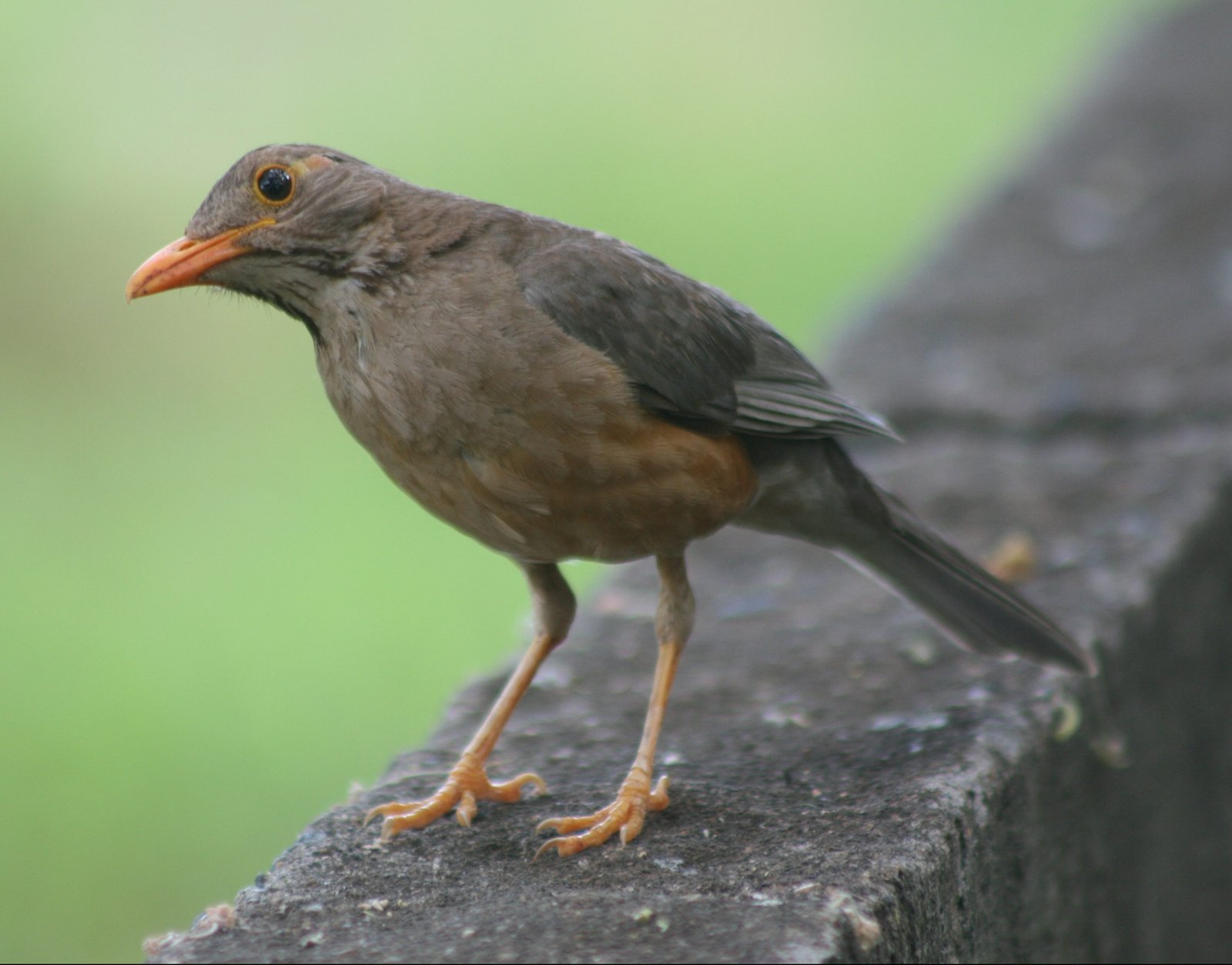
An inquisitive Kurrichane Thrush

The Alfred Dunhill Championship is a prestige golf tournament co-hosted by Southern Africa’s Sunshine Tour and the European Tour, held every summer at the famous Leopard Creek estate outside Malelane. The best part of covering this event is that I get to stay at River Cottage, one of the finest bed and breakfast guesthouses I have had the pleasure of frequenting.

The “River” it is named after is the famous Crocodile River on the southern border of the Kruger National Park and River Cottage is right on the riverside, with an elevated view on to South Africa’s most famous game reserve.

Apart from the spacious units, which are fully equipped for those wanting to self-cater, River Cottage also has beautiful gardens which attract a wealth of birdlife that is slightly different to that found along the river. It’s not often you find a place that combines a sense of wilderness in the pristine bushveld with such comfort.

I have a wonderful start to every day at River Cottage, getting up early to do a circuit of the gardens and the riverfront before sitting down for the sumptuous breakfast and then heading off to work at the golf.

The delicious prospect of what denizens of Kruger Park are down at the river is exciting enough, but first one wanders through the trees of the garden and past some grassy areas that the seedeaters love, collecting a host of Lowveld species. The owners of River Cottage are clearly lovers of the botanical as well, with name tags on the flora and they have planted typical bushveld trees, including even a Baobab and a Mopane, well south of their natural range.

They are not the only inhabitants of further north to be found at River Cottage. While walking along the bank overlooking the river, I became aware of a distinctive purring call coming from high in the trees on the garden side.

It’s a call that always gives me a cheesy grin because it belongs to the African Mourning Dove, one of my favourite Columbids. It is a more typical bird of the restcamps way further north in Kruger Park, such as Satara, Letaba, Mopani and Shingwedzi, with the southern edge of its range usually being north of the bottom camps like Skukuza and Lower Sabie.

African Mourning Dove do love riverine woodland and they are also very fond of Ana Trees, so perhaps it was not too surprising to see one all the way down at the Crocodile River, but it is certainly the furthest south I have ever come across this species.

The River Cottage gardens also attract Brownheaded Parrots to the taller trees and a fruiting fig tree close to the main house hid a few in the canopy, as always they were tough to see but their screeching calls gave them away.

The lapa and sun-deck next to the swimming pool are ideal spots to keep a close watch on the Crocodile River and Great White and Little Egret, Blacksmith Plover, African Jacana, Blackwinged Stilt, Grey, Squacco and Greenbacked Heron, Egyptian and Spurwinged Goose, African Pied Wagtail, Reed and Whitebreasted Cormorant, Spottedbacked and Thickbilled Weaver, Lesser Striped Swallow, Woodland, Pied and Malachite Kingfisher, African Spoonbill, Sacred Ibis, Water Dikkop, African Darter, African Fish Eagle and Natal Francolin are all usually present and easily spotted along the banks.


Egyptian Goose taking off from River Cottage, across the Crocodile River. Note the steep terrain on the Kruger National Park side.

Even less common birds like the Horus Swift, Lesser Masked Weaver and Redfaced Cisticola, which pops up in the reedbeds and other riverside vegetation with its bright silky-white chest and loud, piercing call, are often seen.

Nile Crocodiles are almost always present along this stretch of river that bears their name, while Waterbuck, African Elephant and Impala are usually hanging around.

A troop of Banded Mongoose sometimes ventures down from the surrounding woodland and there is even one family living on the property, while it is always interesting watching the Nile Monitors go about their predatory business either in or around the water.

As the riverine trees thin out heading away from the water, the grass gets longer and rank and a different suite of birds can be seen.

Dusky Flycatcher, Orangebreasted Bush Shrike, Paradise Flycatcher, Arrowmarked Babbler, Whitebellied and Collared Sunbird, Spectacled Weaver and Plumcoloured Starling still prefer some trees around, many of them hosting a resident Southern Tree Agama, but the more scrubby areas attract birds like Whitewinged Widow, Blue Waxbill, Bronze Mannikin, Redbilled Quelea, Yellowfronted Canary and Burchell’s Coucal.

There is probably no finer spot to enjoy the creatures of the Kruger National Park from outside the reserve.

Where is River Cottage?

Sightings List

Kurrichane Thrush

Speckled Mousebird

Dusky Flycatcher

Great White Egret

Blacksmith Plover

Striped Skink

African Jacana

Blackwinged Stilt

Grey Heron

Egyptian Goose

African Pied Wagtail

Reed Cormorant

Spottedbacked Weaver

Horus Swift

Nile Crocodile

Lesser Striped Swallow

Waterbuck

Thickbilled Weaver

Orangebreasted Bush Shrike

Woodland Kingfisher

Yellowbilled Kite

Redeyed Dove

Whitewinged Widow

Forktailed Drongo

Squacco Heron

Greenbacked Heron

African Palm Swift

Glossy Starling

Brownheaded Parrot

Banded Mongoose

Blackeyed Bulbul

Paradise Flycatcher

African Spoonbill

Sacred Ibis

Malachite Kingfisher

Water Dikkop

Laughing Dove

Whitebreasted Cormorant

Southern Tree Agama

African Elephant

Hadeda Ibis

Arrowmarked Babbler

Blue Waxbill

Whiterumped Swift

African Darter

Pied Kingfisher

Impala

Bronze Mannikin

Grey Lourie

Common Myna

African Fish Eagle

Little Egret

Lesser Masked Weaver

Redbilled Quelea

Redfaced Cisticola

Whitebellied Sunbird

Yellowfronted Canary

African Mourning Dove

Spectacled Weaver

Collared Sunbird

Burchell’s Coucal

Helmeted Guineafowl

Plumcoloured Starling

Spurwinged Goose

Nile Monitor

Natal Francolin

The inconvenient truth about Pat Lambie 0

Posted on October 23, 2019 by Ken

By all accounts (and there have been many in the last week), Pat Lambie enjoyed a very good international career, playing 56 Tests, going to two World Cups and scoring 153 points for the Springboks. But there are many excellent judges who believe South African rugby still never got as much out of the Sharks flyhalf as they should have.

Despite a fine record of delivering when it mattered most, as well as performing at a level of consistency that all the great flyhalves have, Lambie only made 22 starts for the Springboks and was seldom given a decent run of games in which to establish himself. In fact, Lambie only once started five Tests in a row and that was at fullback in 2011, from the last two games of the Rugby Championship through the World Cup.

In his favoured position of flyhalf, Lambie never played more than three games on the trot in the number 10 jersey, on the end-of-year European tours of 2012 and 2014.

“Pat was an exceptional rugby player and as the dust settles on his premature retirement and people reflect back, I think many will realise he was the one that got away. No Springbok coach really made him his number one, nailed his flag to the mast and said Pat is my number one flyhalf. But we saw it in Super Rugby and Currie Cup finals that Pat was at his best in important games.

“He wasn’t picked consistently enough, even though he never let the side down, and then they moved him between fullback and flyhalf when he should have just been at flyhalf. It’s a great pity and it was disappointing, I know Dick Muir always said we must just put him in and play him when we were assistants together with the Springboks,” current USA coach Gary Gold, a member of the Springboks’ coaching team from 2008-2011 and head coach of the Sharks between 2014-2016, told Saturday Citizen.

As former Springbok captain and inside centre Jean de Villiers attests, Lambie was the sort of player a coach and team could rely on week after week.

“Pat would always just get the job done, he had that ability to perform under pressure, as that massive kick against the All Blacks showed. He was a fantastic player and his personality came through on the field in that he stayed calm in the big moments. He was the biggest gentleman in world rugby but he still performed with authority, he could leave his mark on the game.

“He was the sort of flyhalf who could dominate and control the game. I’ll never forget the 2010 Currie Cup final and his brilliant performance against us [Western Province] that showed his class. On two end-of-year tours we played 10 and 12 next to each other and we only lost one game, showing that Pat could really get the job done in difficult conditions,” De Villiers said.

And yet Heyneke Meyer, the Springbok coach who took over in 2012, binned Lambie to the bench at the start of the 2013 international season and again for the 2015 Rugby Championship.

Meyer has spoken warmly this week about his appreciation for Lambie’s talents and his personality in the team space, but he did perhaps let slip why he was reluctant to fully trust Lambie.

“As we all know, he wasn’t the biggest rugby player ever [1.77m, 86kg], but he had a serious all-round game and that included a very solid tackle and commitment. He would put his body on the line 100% of the time, never shied away from the contact side of things, and was safe under a high ball as well.

“Pat is way up there with the best talents I ever coached, but I will say this without any doubt at all: there was no better human being in my Bok squads. Wherever he has gone in the world professionally, he has quickly come to be considered one of the most likeable guys in the fold. I never coached a guy with better manners than him,” Meyer told Sport24.

That Lambie is a top-class human being is a recurring theme when speaking to people who know him well. Former Springbok captain Gary Teichmann had a different relationship with the Michaelhouse product as CEO of the Sharks, but is just as effusive in his praise.

“Pat is a guy with incredible ability but easy to deal with. He says it as it is, there’s never an angle with him, and it was always a very easy conversation with him – he’s all about honesty and transparency,” Teichmann said.

But more than that, he was a phenomenal rugby player, with the well-travelled Gold comparing him to a legend of the game like Jonny Wilkinson.

“Pat was potentially our Jonny Wilkinson, he probably has the same dimensions and Joel Stransky and Dan Carter were also not the biggest flyhalves. What Wilkinson did for England, I believe Pat could have done for South Africa because he’s a similar player and personality,” Gold said.

https://citizen.co.za/sport/south-african-sport/sa-rugby-sport/2072068/the-inconvenient-truth-about-pat-lambie/

Never mind what’s happening at Auckland Park, what about SuperSport? 0

Posted on September 18, 2019 by Ken

Given the financial crisis at Auckland Park, it is easy to attack the SABC for their coverage of cricket, but an incident during the third Test between the Proteas and Pakistan at the Wanderers got me thinking about the influence of SuperSport in South African cricket.

I have an early disclaimer to make – I used to work, on contract, at the broadcaster and I do believe South African sport would be much worse off were it not for the millions of rands SuperSport pumps into the various codes through broadcast rights.

But there is also an unseemly, monopolistic and dictatorial element to this relationship.

I experienced it first-hand when I happened to call Tony Greig a “loudmouth commentator” in an opinion piece I wrote for their website. The instruction came from on high from Imtiaz Patel, now the executive chairman of MultiChoice and apparently still ruling with an iron fist from Dubai, and I was told in no uncertain terms that I had to withdraw the article and send Greig a written apology.

I was tempted to use the famous apology former English fast bowler Andy Caddick once received from a West Indian journalist, who described him in his report as being “the big-eared Caddick”. The cricketer stormed into the media centre, found the journalist and demanded that an apology be printed in the next edition.

The apology was indeed there – “I am sorry that Andy Caddick has big ears”.

Last week’s incident also involved a commentator, but one that generally chooses his words with a lot more purpose than Greig did – Mark Nicholas.

The Englishman said on air on the first day that their lunchtime chat, which is sadly not easily accessed by those at the ground, on the second day would be with three South African legends of the past – Graeme Pollock, Barry Richards and Mike Procter.

Many viewers waited with huge anticipation for the interview – and we must remember that there is massive overseas interest in those three greats – but then there was nothing. The whole idea was quietly canned and never happened. SuperSport should have at least informed the public as to why what appeared to be a major snub had happened. Even Pollock, Richards and Procter were left in the dark.

Apparently, the interview was pulled due to one of those instructions from on high, seemingly because Cricket South Africa’s response to anything Richards has to say these days is akin to that of my wife when she discovers a Parktown Prawn in the house.

So instead of serving their viewers, and allowing cricket fans to enjoy a good chat with three of the greatest players ever, SuperSport preferred to score some cheap political points.

SuperSport have a terrible attitude when it comes to their responsibility as the most powerful media house in the country. They will avoid even the slightest hint of criticism aimed at the sports bodies that give them the broadcast rights, bending over backwards to fulfil every little wish of the administrators. Many of whom should be subjected to the harshest media scrutiny of all.

Cricket South Africa, who were captured themselves by the Guptas, have SuperSport captured although it is a more mutually beneficial relationship. But does it benefit the sport in the long term?

SuperSport have some very good broadcasters and journalists and they should be allowed more freedom to do their jobs. Certainly someone as experienced and sharp as Nicholas was highly unlikely to allow anything embarrassing to be said.

Instead, the embarrassment is all SuperSport’s now with their absurd banning of three absolute cricket greats, admired the world over.

https://www.pressreader.com/south-africa/the-citizen-gauteng/20190119/282656098637360

  • Recent Posts

  • Archives

  • Thought of the Day

    Have a fulfilled life by caring about the feelings of others. Show interest in the welfare of others, listen to their problems.

    Be tolerant of people and allow for their mistakes, because no-one is perfect.

    Follow the example of Christ, who showed sympathy and understanding towards all people.


↑ Top