for quality writing

Ken Borland


River Cottage, Malelane 0
Posted on October 31, 2019 by Ken

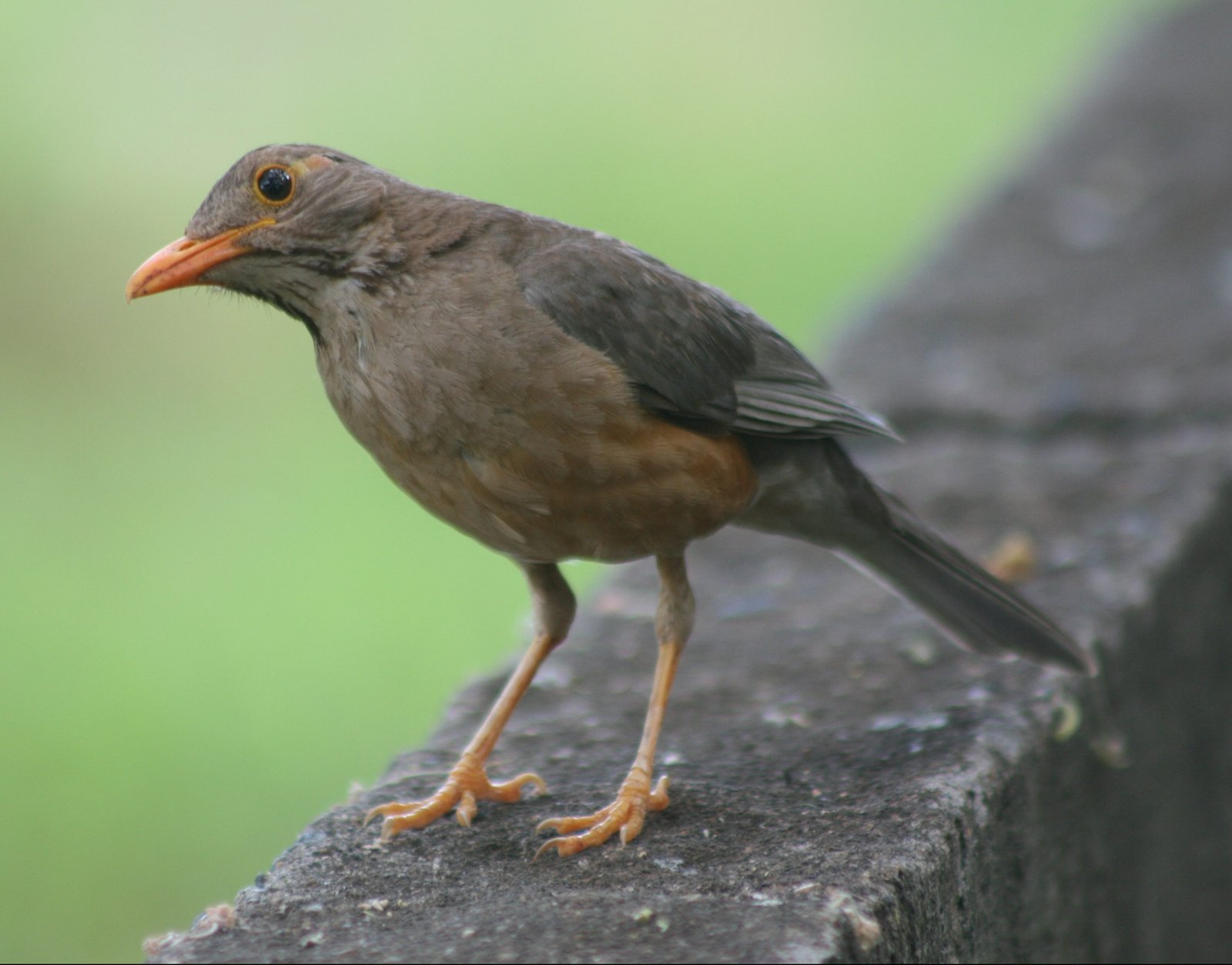
An inquisitive Kurrichane Thrush

The Alfred Dunhill Championship is a prestige golf tournament co-hosted by Southern Africa’s Sunshine Tour and the European Tour, held every summer at the famous Leopard Creek estate outside Malelane. The best part of covering this event is that I get to stay at River Cottage, one of the finest bed and breakfast guesthouses I have had the pleasure of frequenting.

The “River” it is named after is the famous Crocodile River on the southern border of the Kruger National Park and River Cottage is right on the riverside, with an elevated view on to South Africa’s most famous game reserve.

Apart from the spacious units, which are fully equipped for those wanting to self-cater, River Cottage also has beautiful gardens which attract a wealth of birdlife that is slightly different to that found along the river. It’s not often you find a place that combines a sense of wilderness in the pristine bushveld with such comfort.

I have a wonderful start to every day at River Cottage, getting up early to do a circuit of the gardens and the riverfront before sitting down for the sumptuous breakfast and then heading off to work at the golf.

The delicious prospect of what denizens of Kruger Park are down at the river is exciting enough, but first one wanders through the trees of the garden and past some grassy areas that the seedeaters love, collecting a host of Lowveld species. The owners of River Cottage are clearly lovers of the botanical as well, with name tags on the flora and they have planted typical bushveld trees, including even a Baobab and a Mopane, well south of their natural range.

They are not the only inhabitants of further north to be found at River Cottage. While walking along the bank overlooking the river, I became aware of a distinctive purring call coming from high in the trees on the garden side.

It’s a call that always gives me a cheesy grin because it belongs to the African Mourning Dove, one of my favourite Columbids. It is a more typical bird of the restcamps way further north in Kruger Park, such as Satara, Letaba, Mopani and Shingwedzi, with the southern edge of its range usually being north of the bottom camps like Skukuza and Lower Sabie.

African Mourning Dove do love riverine woodland and they are also very fond of Ana Trees, so perhaps it was not too surprising to see one all the way down at the Crocodile River, but it is certainly the furthest south I have ever come across this species.

The River Cottage gardens also attract Brownheaded Parrots to the taller trees and a fruiting fig tree close to the main house hid a few in the canopy, as always they were tough to see but their screeching calls gave them away.

The lapa and sun-deck next to the swimming pool are ideal spots to keep a close watch on the Crocodile River and Great White and Little Egret, Blacksmith Plover, African Jacana, Blackwinged Stilt, Grey, Squacco and Greenbacked Heron, Egyptian and Spurwinged Goose, African Pied Wagtail, Reed and Whitebreasted Cormorant, Spottedbacked and Thickbilled Weaver, Lesser Striped Swallow, Woodland, Pied and Malachite Kingfisher, African Spoonbill, Sacred Ibis, Water Dikkop, African Darter, African Fish Eagle and Natal Francolin are all usually present and easily spotted along the banks.


Egyptian Goose taking off from River Cottage, across the Crocodile River. Note the steep terrain on the Kruger National Park side.

Even less common birds like the Horus Swift, Lesser Masked Weaver and Redfaced Cisticola, which pops up in the reedbeds and other riverside vegetation with its bright silky-white chest and loud, piercing call, are often seen.

Nile Crocodiles are almost always present along this stretch of river that bears their name, while Waterbuck, African Elephant and Impala are usually hanging around.

A troop of Banded Mongoose sometimes ventures down from the surrounding woodland and there is even one family living on the property, while it is always interesting watching the Nile Monitors go about their predatory business either in or around the water.

As the riverine trees thin out heading away from the water, the grass gets longer and rank and a different suite of birds can be seen.

Dusky Flycatcher, Orangebreasted Bush Shrike, Paradise Flycatcher, Arrowmarked Babbler, Whitebellied and Collared Sunbird, Spectacled Weaver and Plumcoloured Starling still prefer some trees around, many of them hosting a resident Southern Tree Agama, but the more scrubby areas attract birds like Whitewinged Widow, Blue Waxbill, Bronze Mannikin, Redbilled Quelea, Yellowfronted Canary and Burchell’s Coucal.

There is probably no finer spot to enjoy the creatures of the Kruger National Park from outside the reserve.

Where is River Cottage?

Sightings List

Kurrichane Thrush

Speckled Mousebird

Dusky Flycatcher

Great White Egret

Blacksmith Plover

Striped Skink

African Jacana

Blackwinged Stilt

Grey Heron

Egyptian Goose

African Pied Wagtail

Reed Cormorant

Spottedbacked Weaver

Horus Swift

Nile Crocodile

Lesser Striped Swallow

Waterbuck

Thickbilled Weaver

Orangebreasted Bush Shrike

Woodland Kingfisher

Yellowbilled Kite

Redeyed Dove

Whitewinged Widow

Forktailed Drongo

Squacco Heron

Greenbacked Heron

African Palm Swift

Glossy Starling

Brownheaded Parrot

Banded Mongoose

Blackeyed Bulbul

Paradise Flycatcher

African Spoonbill

Sacred Ibis

Malachite Kingfisher

Water Dikkop

Laughing Dove

Whitebreasted Cormorant

Southern Tree Agama

African Elephant

Hadeda Ibis

Arrowmarked Babbler

Blue Waxbill

Whiterumped Swift

African Darter

Pied Kingfisher

Impala

Bronze Mannikin

Grey Lourie

Common Myna

African Fish Eagle

Little Egret

Lesser Masked Weaver

Redbilled Quelea

Redfaced Cisticola

Whitebellied Sunbird

Yellowfronted Canary

African Mourning Dove

Spectacled Weaver

Collared Sunbird

Burchell’s Coucal

Helmeted Guineafowl

Plumcoloured Starling

Spurwinged Goose

Nile Monitor

Natal Francolin
Basson leads, but battling own mediocre record in co-sanctioned events 0

Posted on December 10, 2018 by Ken


Christiaan Basson is one of the more consistent performers on the Sunshine Tour so his blistering eight-under-par 64 to claim the lead in the first round of the Alfred Dunhill Championship at Leopard Creek is not a total shock, but the 33-year-old from Cape Town is battling his own mediocre record in co-sanctioned events with the European Tour.

Basson has played in 30 previous European Tour tournaments, making the cut in just 14 of them, with just a single top-10 finish, in the 2013 South African Open at Glendower. He has gone low in the first round a few times in co-sanctioned events, including last year’s Alfred Dunhill Championship when he opened with a pair of 69s before fading on the weekend with rounds of 74 and 75.

“It’s a funny game and you never know when you’re going to get it right, so when you get it going you must capitalise on it. I think I need to stick with the same game plan – I just tried to hit fairways and tried to play for the right areas of the greens – it worked well, so why change it?” Basson said after his brilliant round at the prestigious course alongside the Crocodile River.

Basson is three shots ahead of the chasing pack on five-under-par which includes three-time champion Charl Schwartzel.

Schwartzel could not finish his round due to a thunderstorm that stopped play at 5.26pm on Thursday, but is looking in ominous form as he collected seven birdies through 17 holes, and missed a couple of makeable putts as well.

Mark Williams of Zimbabwe and Englishman Matt Ford, both of whom collected eagles – on the par-four fourth and par-five 13th holes respectively- are the other golfers tied for second.

Niclas Fasth of Sweden, playing his 500th European Tour event (the 31st golfer to reach the mark) and Joost Luiten of the Netherlands are amongst the large group of golfers on four-under-par, while 2008 champion Richard Sterne is on three-under after 17 holes.

Another former champion, Pablo Martin, the winner of back-to-back titles in 2009/10, was rapidly climbing up the leaderboard as he moved to six-under-par through 15 holes. The Spaniard had started on the 10th, but by the time he walked off the ninth green he was practically weeping as he closed with three successive bogeys to drop down into the group tied for 12th.

Englishman Jeff Inglis had a similar story, starting with five successive birdies but then dropping two shots at the par-four eighth and picking up further bogeys at the 13th, 16th and 17th holes to also finish on three-under.

Louis Oosthuizen started on the 10th and birdied the par-four first hole to go to five-under-par and a share of the lead, but was then derailed by a double-bogey seven on the second, eventually finishing on a two-under-par 70, while defending champion Branden Grace was a stroke further back.


Leopard Creek 0

Posted on July 05, 2017 by Ken


The elusive, mysterious and secretive African Finfoot

The elusive, mysterious and secretive African Finfoot

Leopard Creek has recently been rated amongst the top 100 golf courses in the world by the prestigious Golf Digest magazine and it is surely the wildest top-class golf course in the world, situated as it is alongside the Kruger National Park.

The Crocodile River forms the northern boundary between Leopard Creek and the Kruger National Park and the back nine runs along the river, offering tremendous sightings of all the animals and birds made famous by one of the largest game reserves in the world.

A channel runs off the Crocodile River and flows right in front of the clubhouse, making the verandah of this opulent building an ideal spot for bird and animal spotting. Unfortunately the clubhouse is also extremely hard to access for the rank and file visitor to Leopard Creek, but the good news is that there is a little service road that runs along this channel for a hundred metres or so, before turning up the hill to the 10th tee.

Shaded by luxuriant riverine trees, the road passes right by the water and I always make a point of taking a quiet stroll along this area. It has always seemed to me to be a perfect spot for African Finfoot – which Roberts describes as favouring “quiet, wooded streams and rivers flanked by thick riparian vegetation and overhanging trees” – the very description of my favourite part of Leopard Creek.

And so, on my eighth visit to this special place outside Malelane for the Alfred Dunhill Championship, I finally got my Finfoot.

There in this shady channel I saw the bright orange legs first as the bird stood on the bank and then went into the water, gliding stealthily to the other side of the river.

A hippopotamus was contentedly passing the day between this channel and the main Crocodile River, while a Brownhooded Kingfisher called from high up in the trees and a Malachite Kingfisher hunted from low down on fallen branches close to the water.

Heuglin’s Robin, one of my favourites, also hangs around this area.

Coming back up out on to the golf course, a series of dams is in front of you between the ninth, 18th and 10th holes, with Lesser Striped Swallow flying over and African Pied Wagtail patrolling the banks.

Heading backwards through the front nine, Blackbacked Puffback is calling away and Blue Waxbill are in a sapling on the side of the ninth fairway.

The seventh hole, a par-three, shares a dam with the fifth hole, fringed by Fever Trees, and Spottedbacked, Southern Masked and Thickbilled Weavers were all nesting in the same specimen of this archetypal tree of tropical wetlands, from which gin and tonics (no doubt consumed in large quantities on the verandah of the clubhouse) originated.

Along the stream feeding this dam, a Giant Kingfisher was eating a good-sized fish, while a Greenbacked Heron was flying upstream.

Anywhere on the course, you are likely to see Whitebacked Vultures soaring overhead and Purplecrested Louries flying between patches of thicker bush. Whitefaced Duck are also often flying over.

But the 13th is the signature hole of Leopard Creek, not just because of its great design but mostly because of the dazzling vista it provides over the Crocodile River just beneath the elevated green and Kruger Park just across the way.

Charl Schwartzel when the going was still good

Charl Schwartzel when the going was still good

While sitting there on the final day and watching Charl Schwartzel’s challenge implode in the face of young Brandon Stone’s brilliance, I was able to admire Great White Egret, Purple Heron, Grey Heron, Black Crake, Egyptian Goose, Whitefronted Bee-Eater, African Elephant and Nile Crocodile along the river.

Away from the golf course, Leopard Creek is in an area of typical dense bushveld savanna with Forktailed Drongos, sometimes even perching on low aloes, ruling the day and Spotted Dikkops, marching around the parking lot, at night.


Where is Leopard Creek?


Sightings list

Forktailed Drongo

Spotted Dikkop

Impala

Bushbuck

Whitefaced Duck

Blackeyed Bulbul

Little Swift

Hippopotamus

Brownhooded Kingfisher

Malachite Kingfisher

African Finfoot

Heuglin’s Robin

Whitebacked Vulture

Lesser Striped Swallow

African Pied Wagtail

Blackbacked Puffback

Blue Waxbill

Spottedbacked Weaver

Southern Masked Weaver

Thickbilled Weaver

Giant Kingfisher

Grey Lourie

Greenbacked Heron

Yellowthroated Sparrow

Nile Monitor

Purplecrested Lourie

Great White Egret

Purple Heron

Grey Heron

Black Crake

Egyptian Goose

Whitefronted Bee-Eater

African Elephant

Nile Crocodile

Sombre Bulbul

Pintailed Whydah


Chilling with the golfers & the wildlife at Leopard Creek’s 13th 0

Posted on December 12, 2016 by Ken


With the Crocodile River and the Kruger National Park forming its one boundary and its excellent design, the 13th hole at Leopard Creek, outside Malelane, is surely one of the best holes in world golf.

A 505-metre par-five, an elevated tee shot has to cross a stream that splits the fairway, while avoiding a well-placed bunker on the right of the landing zone. With the fairway sloping right-to-left, and with the stream curving around to run the rest of the length of the hole down the left, any drive that goes left will land up in the water hazard.

If the first shot is successful, a big choice then awaits as to whether to take on the green, which hangs 32 metres above the Crocodile River and is protected by three bunkers and a pond, as well as thick grass behind the green.

Once on the putting surface, there is a wonderful view over the Crocodile River and into Kruger National Park, with Hippopotamus, Elephant, various antelope, Warthog and numerous different bird species almost always spotted.

Brandon Stone, who won last weekend’s Alfred Dunhill Championship at Leopard Creek with a superb 22-under-par total of 266, the second-best winning score at the event, certainly rates the 13th hole very highly.

“That’s my favourite hole in the world, without even exaggerating one little bit, it really is special. The fact is it’s not just a location; the actual hole’s design itself, I think it’s a really tricky tee-shot. You’ve got to really hit a good tee-shot to hit that fairway.

“And then if you hit the fairway it’s still not an easy par-five green to get into. I mean nine times out of 10, I’ll actually lay up; I’ve even written on my book, if it’s anything more than a six-iron, it’s not even worth going at because that green is just so tricky to hit; you just can’t even see the left side.

“So I think if I can play that hole under-par for the week, I’ll be happy, because I think a lot of other guys are going to get a little bit too greedy and it’s going to come and bite them a little bit. And then if they go over the back, something else could bite them,” Stone said before going eagle-bogey-birdie-birdie on the hole.

On the final day, I watched two three-balls play the hole and the scores amongst those six golfers ranged from Keith Horne’s eagle to a couple of sevens by Bryce Easton and Pablo Larrazabal.

It’s a classic risk-and-reward hole designed by Gary Player and although 13 golfers over the four days made double-bogey or worse, at least they didn’t fall foul of the two-metre long crocodile that was lurking inside the pool next to the green!

It was also the hole when Stone finally closed the door on Charl Schwartzel in the final round, making birdie while the defending champion wasted a superb drive by finding a greenside bunker, taking two shots to get out and finishing with a bogey that left him five behind.

As captivating as the golf is, the view from the green into Kruger National Park tears you away and even the competitors linger a bit, the joy of spotting something special undoubtedly lifting spirits in a place that is often brutally hot and was 40 degrees in the final round.

The next day, while driving through Kruger, exactly opposite the 13th, perhaps 200 metres from the river, I came across a family of Wild Dog, just showing what special potential sightings are there.


  • Recent Posts

  • Archives

  • Thought of the Day

    Colossians 3:13-14 – “Bear with each other and forgive whatever grievances you may have; forgive as the Lord forgave you. And over all these virtues put on love, which binds them all together.”

    “When the Holy Spirit lives in you, you reflect the qualities of Christ in your life. Love and courtesy are basic characteristics of the Christian life. … If Chris lives in you, you will be kind and patient toward others.

    “A person who is truly courteous is humble, … His attitude is the same regardless of whether he is talking to kings or beggars. He treats everyone alike, no matter what race, colour or creed they are. He rejoices in making the path through life easier for others to travel.

    “It is impossible to say that you love and serve God while at the same time treating your neighbour with contempt and disrespect.” – Solly Ozrovech, A Shelter From The Storm


↑ Top