Being unable to go out for dinner at a restaurant or a weekend braai with family and friends is what Reeza Hendricks says bugs him the most about Lockdown, but what’s also eating away at the 30-year-old Proteas batsman is the feeling that he has not yet been able to fulfil his potential at international level.
Hendricks has been one of the key figures in the dominance of the Central Gauteng Lions in recent seasons, but he has only played 21 ODIs, averaging 26.68, since making his debut in August 2018. He made his debut in T20 internationals in November 2014 though and has enjoyed more success in that format with four half-centuries in 23 innings and a strike-rate of 120. It’s a far cry from his domestic performances though, in which he averages 40.65, with five centuries in 30 innings, for the Lions in 50-over cricket and 36.50 in T20. His four-day average for the franchise is 36.72.
“My greatest ambition is to fulfil my talent to the best of my ability. I want to play consistently at the highest level in all three formats, winning trophies would be an added bonus. I feel I played fairly well domestically last season, contributing in all formats, but it was an emotional roller-coaster season personally, with a lot of ups and downs, but I guess sport is full of those.
“I was very disappointed in the international set-up, I only got a handful of opportunities and I couldn’t understand why. The disappointment was something I had to deal with and I learnt a lot about myself last season, how to overcome difficult situations and challenges, how to adapt. You have to keep being persistent to get through them and stay on a level because one day you’re a hero, the next you’re not,” Hendricks said.
The Kimberley product was the most unfortunate player not to go to the World Cup last year and he only featured in three ODIs against England and three T20s for the Proteas last season. He averaged 26 in the ODIs and had scores of 6 and 28 in T20s against India and 14 versus Australia.
Nevertheless, he is hungry to make next season really count. Hendricks still dreams of playing Test cricket and he has collaborated with Lions batting coach Justin Sammons in sharpening his technique.
“There’s always pressure, it comes from within. So I’m looking forward to next season, I’ve set goals and I just want to do well for whatever team I play for, contribute as well as I possibly can. I haven’t played Tests yet but I’ve been working hard on my red-ball cricket, I’ve felt I’ve done fairly well for the Lions in the last three years, I’ve made good progress.
“I would describe myself as being a traditional, textbook, classical batsman with a dash of flair, and I’ve developed a good relationship with Justin Sammons at the Lions. For anything technical or cricket-related, he’s someone I’ve trusted. I haven’t done too much technical work, it’s just touching up those areas where I’m lacking. Things like my movements towards the ball,” Hendricks said.
I’m sure I speak for most birdwatchers when I say it’s funny how the memory of spotting a Lifer is often permanently seared on the brain with the details of the moment immediately springing to mind.
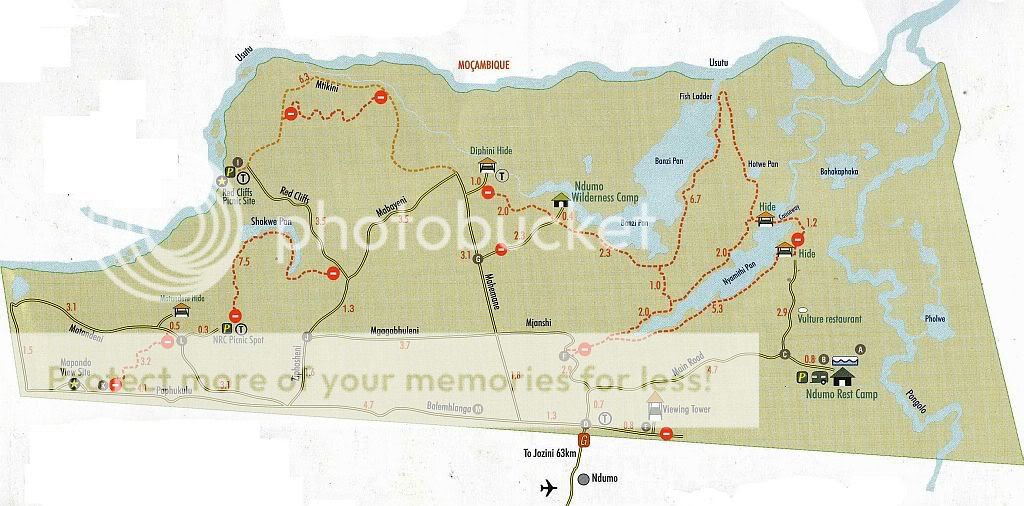
So much so that when I came across this sightings list from a February 2006 trip to Ndumo Game Reserve in northern Zululand, I could immediately picture in my mind’s eye the little loop off the Paphukulu road that goes around a corner and then crosses a dry river bed before going slightly uphill again and returning to the main road.
As one approaches the dried up river, there is a thorn tree on the other side that hangs over the bank and there, in the gathering gloom of dusk, was a massive owl perched on the edge of the branches, surprisingly exposed.
By its large size I was immediately thinking Giant Eagle Owl and a quick squizz through the binoculars confirmed the diagnostic pink eyelids of the bird now known as Verreaux’s Eagle Owl, annoyingly because those French naturalists had nothing to do with the discovery nor naming of the bird.
The Giant Eagle Owl normally spends its days perched inside a leafy tree along a watercourse and they often begin their nightly hunting forays along an open, dry riverbed.
So perhaps my Lifer Giant Eagle Owl was eager to get going with what would have been its ‘breakfast’. For which I was very grateful and shall always remember my first sighting of what is truly a magnificently impressive bird. Not for nothing are they known as the Martial Eagles of the night sky.
The Paphukulu road runs along the south-western border of Ndumo and is always a very interesting drive as the sand forest and dense thorn thicket of the central regions of the reserve grades into dry savanna woodland, a more bushveld type area dominated by Knobthorn Acacias.
On that steamy February day, there were typical savanna woodland birds present like the Eurasian Bee-Eater, Masked Weaver, Redbacked Shrike, Cardinal Woodpecker, African Hoopoe, Little Bee-Eater, Sabota Lark and Crested Francolin.
The boundary fenceposts along the Paphukulu road are always worth keeping an eye on and Pallid Flycatcher, which is found in the Acacia woodlands of Zululand but is replaced by the Marico Flycatcher in that habitat further west, was spotted as well and then further down the road an interesting-looking raptor was seen perched.
It was a medium-sized brown bird, initial thoughts revolving around a Steppe Buzzard, which often perch on these fence poles. But this bird seemed a bit bigger and then, when it turned around to show its underparts they were all-rufous brown with no hint of white on the breast.
It was an immature Jackal Buzzard, which is not often seen in the tropical north-eastern lowveld, but juveniles do sometimes wander over from the escarpment, in this case probably the nearby (less than 100km) Lebombo Mountains.
An immature Steppe Buzzard was seen later on and Sombre Bulbuls also make their way into this area, on the fringes of the thorn thicket.
Icterine Warbler was also seen in the thorn trees close to the Giant Eagle Owl spot, a good sighting because it is scarce in these parts and sparsely distributed in KwaZulu-Natal as a whole.
The next day, on a small track leading to the NRC Picnic Spot, an even more seclusive but much bigger warbler was spotted. The Olivetree Warbler is a very uncommon and often overlooked Mediterranean summer visitor and I managed to get a glimpse of one foraging in a dense grove of acacias.
Heading back from west-to-east on the Paphukulu-Balemhlanga roads, the more open knobthorn woodlands allowed one to tick other typical bushveld gems like African Cuckoo and both the Eurasian and Lilacbreasted Roller.
It’s an under-rated but always good drive. Ndumo is more famous for the Nyamithi Pan and its guided walks.
But on this occasion in mid-summer, the pan was full to the brim, meaning a much lower waterbird count. There were egrets patrolling the shoreline and Wiretailed Swallows flew overhead along with passing groups of Trumpeter Hornbills.
A full Nyamithi Pan
Closer observation of the fringes of the pan, with bushy cover now right up to the edge of the water, provided sightings of Purple and Greenbacked Heron and Water Dikkop. Where there were some muddy edges, Wood Sandpiper was seen.
African Fish Eagles were seen in the Fever Trees on the other side of the pan, while both Pied and Giant Kingfisher were present, and a Hamerkop came yelping past as Hippopotamus frolicked in the water.
The road back from Nyamithi Pan to camp takes one past the reserve’s vulture restaurant, an open patch in which carcasses of deceased large mammals like Giraffe are dumped. There’s almost always something interesting hanging around and occasionally some real specials wander into this area.
On this occasion a Lesser Spotted Eagle, a Palearctic migrant which, given its preference for savanna and open woodland you wouldn’t fancy seeing at Ndumo, was strolling around on the ground. A real raptor special.
A Reedbuck was also pottering around.
The most famous of the Ndumo guided walks is probably North Pongolo, which takes one through the climax riverine forest of the beautiful dark brown river that has flown from Utrecht in Northern Natal, crossed the Lebombo Mountains and is now close to its confluence with the Usutu and its journey to Maputo Bay.
But the fullness of the Nyamithi Pan was a hint to the conditions of the Pongolo floodplain in general and the North Pongolo forest had been flooded and was temporarily off the roster for guided walks.
So instead a guide and I went to Shokwe Pan, an ear-shaped, generally shallower pan nearly seven kilometres long and in the western portion of Ndumo.
This turned out to be an excellent move because we came across, there in the thickets below the majestic Sycamore Fig trees, an African Broadbill, one of the Ndumo specials that is especially challenging to find.
But on this occasion this largely black, grey, brown and white oddity was just sitting on its display perch and allowed us to approach close enough for me to get a photo.
African Broadbill
Other typical forest birds seen at Shokwe were Squaretailed Drongo, Collared Sunbird and Blackheaded Oriole, while Samango Monkey were enjoying themselves high in the trees, keeping their distance as they usually do.
A couple of Darter flew over and there were also a few flocks of Whitefaced Duck which passed by.
The route to and from camp, which is in the south-east of the park, to Shokwe takes you right through the centre of Ndumo and the densest, most impenetrable thickets probably anywhere in the country.
Birding is difficult but there are always surprises for the keen-eyed.
On this occasion the biggest surprise was coming around a corner and finding a thorn tree had toppled over and was blocking the road. Refusing to be denied my route through the wonderful sand forest in the middle of the park, prime birdwatching territory and known for the rare birds that are in residence, I was forced to tow the offending tree out of the road with my car!
Tree v Car … and the Car won
My determination was partly rewarded with good sightings of Crested Guineafowl, Orangebreasted Bush Shrike, Dwarf Mongoose and Scimitarbilled Woodhoopoe, while little pans secluded in the forest provided Woollynecked Stork, Common Sandpiper and Greenspotted Dove.
The woodlands on the southern, hilly side of the park are also rich in birdlife. In the thickets and rank grass under the trees one gets the beautiful Melba Finch busily going about its business, normally with a Rattling Cisticola shouting the odds nearby. Neddicky (especially where there are fallen trees), Bronze Mannikin and Common and Blue Waxbill share this habitat too and Tawnyflanked Prinia is often around as well.
Bleating Warbler prefers thicker cover and will often call from a perch two-to-three metres up a tree. While looking for this secretive little bird, the likes of Paradise, Spotted and Black Flycatchers, Redfaced and Speckled Mousebird, Longbilled Crombec, Brownhooded Kingfisher, Puffback, Blackbellied Starling, Crowned Hornbill, Southern Black Tit and Purplecrested Lourie can also be spotted in the trees.
Searching carefully in the canopies threw up African Green Pigeon and Eurasian Golden Oriole.
Birding around the main camp, set in typical Maputaland woodland, is also good and the highlights from there on this trip were a Lanner Falcon, a regionally threatened bird that happened to fly by, probably heading to nearby grasslands to forage, while I was patiently watching the sky from my camp chair, and a Grey Sunbird, an Important Bird Area trigger species, that popped in for some nectar from the flowering hedge and a drink from a birdbath.
Monique Smit may not play the most magnificent attacking golf or have been lavished with the most talent when it comes to the South African women’s game, but what she does have in generous quantities is mental strength and that priceless commodity known as BMT.
The ability to play the percentages to perfection has seen the 29-year-old from George reigning at number one on the Sunshine Ladies Tour’s order of merit and she was also all set to compete in Europe before the Covid-19 pandemic struck.
The way she qualified for Europe is the story that exemplifies her BMT best. At the Ladies European Tour Qualifying School, won by Amy Boulden of Wales, at La Manga in Spain back in January, Smit won the 20th and final card in a four-way playoff. The fact that she managed to do it so soon after her mother, Rejeanne, who had been her caddy for six years, passed away from cancer in November, made it even more remarkable.
“That was just a surreal day from start to finish. There were so many mixed emotions. The first time I played in Europe was eight years ago and my Mom was with me, those were such beautiful memories. But then not being able to tell her I had won my card made it bittersweet. To come through nine such competitive rounds and make the final cut was unbelievable to achieve,” Smit told Compleat Golfer.
“I spoke to my Dad before the final round and it was almost like my Mom’s hands were around mine for that final birdie putt on the 18th. I wasn’t nervous and I had no doubt that I could do it, even though it was crazy to be in a four-way playoff.
“I smashed my Driver on the first playoff hole, it was a good one and I knew I could get on in two on the par-five. It was 190 metres and I hit a three-wood into the middle of the green, I could just see myself hitting that shot. I then made a two-putt birdie and the Frenchwoman [Manon Gidali] made a 20-footer for birdie, the rest all made pars.
“I hit a good drive again on our second go down 18, but this time there was a bit more wind coming in and I didn’t feel as comfortable going for the green in two. So I left myself a nice full wedge coming in instead, and I hit it about 10 feet left of the flag. I wasn’t sure of the line so I asked Clara [Pietri, the Swiss pro who was caddying for her] and she said half-a-ball left and in it went. Manon’s putt wasn’t so good.
“So it was amazing to do something I had been planning for since April last year, but it was empty in some ways because I could not share it with my Mom. And then it was straight back home and into the Sunshine Ladies Tour … ” Smit said.
Smit, who is an only child and took up the game as a youngster when her father told her to join him on a course in George, certainly showed her maturity back home as she beat compatriots Stacy Bregman and Lejan Lewthwaite to the order of merit title.
Although Smit missed out on winning the SA Women’s Open at Westlake in mid-March, and qualification for the British Women’s Open that went with first place (English rookie Alice Hewson claimed those prizes), she still managed to finish second, which was enough to give her the order of merit title and a R100 000 bonus.
Once again it came down to a putt – a 30-footer for par on the last hole.
“It was absolutely amazing finishing off that way. Going into the SA Open, Lejan hadn’t had the best of tournaments at Glendower and had slipped to second, while Stacy had catapulted her way into first by finishing second in the Jabra Ladies Classic and I was third. There was about a 500 points difference between me and Stacy so I knew there was an outside chance.
“So you go through the constant calculations of points all the time, wondering who’s lying where? You just can’t control it because so many things need to happen correctly, but going into the last day I knew I still had a chance. But I had so many birdie opportunities but just absolutely nothing would drop. I had 11 straight pars and not one birdie, so, standing on the 18th green, I said, ‘you know what Mom, nothing has happened today, so this one is for you’. Then about a foot before the hole I knew that putt was going to be in,” Smit said.
Even being seven shots behind going into the final round does not bleach Smit’s resolve, as she showed in winning the Joburg Ladies Open at Soweto Country Club at the end of February.
So where does this BMT come from?
“I don’t think I was born with it, but I’ve managed to learn how to obtain it in the last eight years. When I was first on tour, I couldn’t make a cut to save my life. When I went from amateur golf to being a pro, I thought I had to make a complete overhaul of my game. It was only in the last three or four years, since I did my PGA qualification, that I’ve learnt that the essence is to stick to basics, just your basics, make them as strong as possible,” Smit explained.
She has also had to endure much hardship in her career, which has undoubtedly hardened her mentally.
First she suffered a serious knee injury in early 2018, which forced her to undergo surgery.
“I’ve been through a lot of heartache. I used to do extreme running and explosive exercises and then one day my knee pad went into my meniscus, so I needed emergency surgery. Dr Spike Erasmus said I must take it seriously but if I did my rehab right then I should get there. Plus in Sandra Winter [a multiple amateur champion] I had one of the best physios, especially with her knowledge of golf. I practically grew up in front of her in George.
“So I took it one day at a time, but I realised how much I missed competitive golf. I thought maybe I’m not finished my playing career yet. It’s been a roller-coaster but there have been so many joys and small personal victories,” four-time Sunshine Ladies Tour winner Smit said.
She was back by November 2018 but then a year later, tragedy struck when her mother passed away.
“It was on the final day of the Soweto tournament last year that I got the phone call that confirmed that my Mom had pancreatic cancer and my life changed. I still went over to Europe and played on the LET Access Tour and made a couple of cuts.
“But she was always the first one to phone me. Now I have a new reality. But I still play as if she is caddying for me, you have to find a way of dealing with it. She was always my caddy and travelled with me, those were such beautiful memories. I’m still coming to terms with it,” Smit admitted.
But with her game in great shape and the confidence of being No.1 in South Africa this year, Smit can now look forward to really making her mark in Europe. “I definitely feel that I’m now at my peak, although I need to keep working on my consistency over three rounds. I don’t want to have one good round and then a poor round that makes me lose ground on the leaderboard. But it was fantastic for me to win the order of merit, it proves that what I’m doing is on the right track,” Smit said.
The Highveld Lions bowling attack produced their most complete performance of the competition so far, but Proteas batsmen Rassie van der Dussen and Reeza Hendricks stole the show as their record-breaking partnership set up the 19-run win over the Titans in their CSA T20 Challenge derby at the Wanderers on Thursday night.
Hendricks, desperately unlucky to have been left out of the Proteas squad for the World Cup that was announced hours earlier, and Van der Dussen, whose fairytale ascent into international prominence will continue at that showpiece tournament, brought vastly different moods to the contest.
But they dovetailed superbly, adding 151 off just 94 balls, a record for the second wicket in the domestic franchise T20 competition, improving on the previous mark of 145 set by Hashim Amla and Stiaan van Zyl for the Cobras against the Lions in Paarl in 2013/14 and equalled by Morne van Wyk and Kevin Pietersen, playing for the Dolphins against the Warriors in East London, three seasons later.
It is a delicious irony that Hendricks beat an Amla record, seeing as though it was the out-of-form veteran who pipped him for a World Cup spot. While Amla’s class is irrefutable, Hendricks showed he has plenty of the same talents in his marvellous innings of 77 off just 61 balls, full of sparkling drives and a spectacular cut for six over the covers off fast bowler Junior Dala.
Van der Dussen was magnificent in blasting 85 off just 47 balls, with six fours and three sixes spread all round the Wanderers. He never seemed rushed and celebrated his World Cup inclusion in fine style, leading the Lions to a sizeable total of 181 for four after they had been sent in to bat.
T20 cricket in April is never going to attract beer-drinking masses but rather a few coffee-sipping die-hards, plus the autumn pitches are understandably slow, and Titans spinner Gregory Mahlokoana, whose figures of 4-0-22-1 were an excellent effort, was the only bowler to shine for the visitors, until the last over of the innings.
Dala (4-0-33-3) had looked in decent rhythm but he exploded in the 20th over, conceding just six runs and taking three wickets to give the Titans some cheer before their chase.
The early warning signs that the Lions bowlers were up for the contest were there as former Titans player Migael Pretorius, in his first franchise T20 game, smashed into the top of Tony de Zorzi’s off stump at the end of the second over.
Henry Davids (18) looked dangerous and hit three fours, before Dwaine Pretorius dismissed him with his second delivery, but then there were signs that the Titans’ two most in-form batsmen, Theunis de Bruyn and Diego Rosier, were seizing control as they added 56 in five overs.
Rosier (23 off 15) fell in freakish fashion, trying to sweep left-arm spinner Aaron Phangiso but getting a bottom edge on to the flap of his back pad, which was flat on the ground. From there the ball bounced up and rebounded off his body to wicketkeeper Ryan Rickelton, the dismissal being confirmed by the TV umpire.
That it was not going to be the Titans’ night became clearer two overs later when De Bruyn (42 off 28) tried to just punch Nono Pongolo down to long-off but the bowler snaffled a wonderful reflex return catch.
The Titans did not seem ready for the introduction of Pongolo, the sixth bowler used, as he picked up three for 29 in his four destructive overs, and spinners Fortuin and Phangiso also returned to each take a wicket.
Once Farhaan Behardien was dismissed for just 8 as Fortuin pulled off an excellent piece of fielding on the cow-corner boundary, with 12th man Wihan Lubbe playing the supporting role to complete the catch, the Lions were ready to celebrate with the Titans seven down and needing 55 runs off 23 balls to win.
The Titans eventually staggered to 162 for nine in their 20 overs, with Fortuin once again setting the tone by taking one for 26 in his four overs. Pongolo was excellent too and paceman Pretorius made an encouraging T20 debut with two for 32 in four overs.
The Lions did not even need to bowl Proteas all-rounder Wiaan Mulder, which shows just how much in control they were.
Revelation 3:15 – “I know your deeds, that you are neither cold nor hot. I wish you were either one or the other.”
How can you expect blessings without obeying?
How can you expect the presence of God without spending time quietly before him?
Be sincere in your commitment to Him; be willing to sacrifice time so that you can grow spiritually; be disciplined in prayer and Bible study; worship God in spirit and truth.
Have you totally surrendered to God? Have you cheerfully given him everything you are and everything you have?
If you love Christ, accept the challenges of that love: Placing Christ in the centre of your life means complete surrender to Him.