Ndumo Game Reserve 0

The view over Ndumo Game Reserve
I’m sure I speak for most birdwatchers when I say it’s funny how the memory of spotting a Lifer is often permanently seared on the brain with the details of the moment immediately springing to mind.
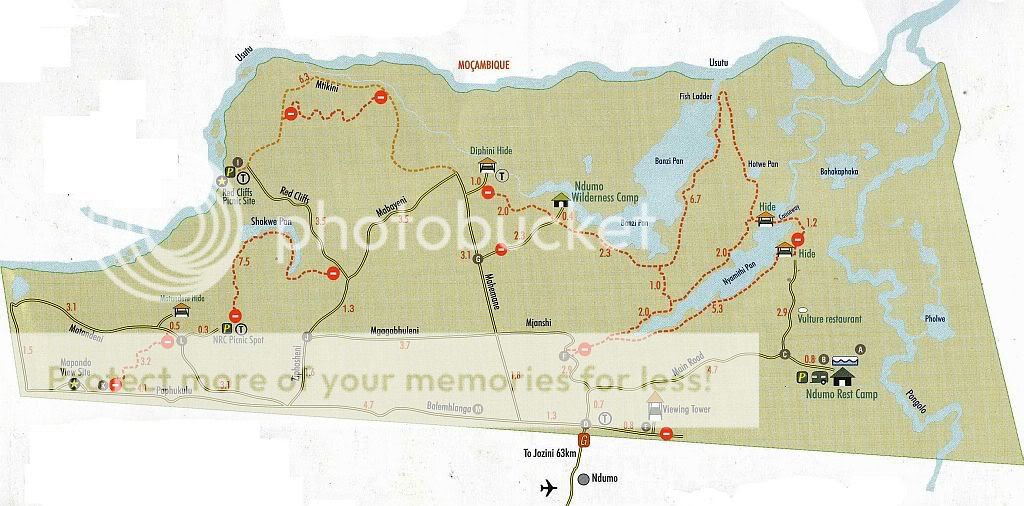
So much so that when I came across this sightings list from a February 2006 trip to Ndumo Game Reserve in northern Zululand, I could immediately picture in my mind’s eye the little loop off the Paphukulu road that goes around a corner and then crosses a dry river bed before going slightly uphill again and returning to the main road.
As one approaches the dried up river, there is a thorn tree on the other side that hangs over the bank and there, in the gathering gloom of dusk, was a massive owl perched on the edge of the branches, surprisingly exposed.
By its large size I was immediately thinking Giant Eagle Owl and a quick squizz through the binoculars confirmed the diagnostic pink eyelids of the bird now known as Verreaux’s Eagle Owl, annoyingly because those French naturalists had nothing to do with the discovery nor naming of the bird.
The Giant Eagle Owl normally spends its days perched inside a leafy tree along a watercourse and they often begin their nightly hunting forays along an open, dry riverbed.
So perhaps my Lifer Giant Eagle Owl was eager to get going with what would have been its ‘breakfast’. For which I was very grateful and shall always remember my first sighting of what is truly a magnificently impressive bird. Not for nothing are they known as the Martial Eagles of the night sky.
The Paphukulu road runs along the south-western border of Ndumo and is always a very interesting drive as the sand forest and dense thorn thicket of the central regions of the reserve grades into dry savanna woodland, a more bushveld type area dominated by Knobthorn Acacias.
On that steamy February day, there were typical savanna woodland birds present like the Eurasian Bee-Eater, Masked Weaver, Redbacked Shrike, Cardinal Woodpecker, African Hoopoe, Little Bee-Eater, Sabota Lark and Crested Francolin.
The boundary fenceposts along the Paphukulu road are always worth keeping an eye on and Pallid Flycatcher, which is found in the Acacia woodlands of Zululand but is replaced by the Marico Flycatcher in that habitat further west, was spotted as well and then further down the road an interesting-looking raptor was seen perched.
It was a medium-sized brown bird, initial thoughts revolving around a Steppe Buzzard, which often perch on these fence poles. But this bird seemed a bit bigger and then, when it turned around to show its underparts they were all-rufous brown with no hint of white on the breast.
It was an immature Jackal Buzzard, which is not often seen in the tropical north-eastern lowveld, but juveniles do sometimes wander over from the escarpment, in this case probably the nearby (less than 100km) Lebombo Mountains.
An immature Steppe Buzzard was seen later on and Sombre Bulbuls also make their way into this area, on the fringes of the thorn thicket.
Icterine Warbler was also seen in the thorn trees close to the Giant Eagle Owl spot, a good sighting because it is scarce in these parts and sparsely distributed in KwaZulu-Natal as a whole.
The next day, on a small track leading to the NRC Picnic Spot, an even more seclusive but much bigger warbler was spotted. The Olivetree Warbler is a very uncommon and often overlooked Mediterranean summer visitor and I managed to get a glimpse of one foraging in a dense grove of acacias.
Heading back from west-to-east on the Paphukulu-Balemhlanga roads, the more open knobthorn woodlands allowed one to tick other typical bushveld gems like African Cuckoo and both the Eurasian and Lilacbreasted Roller.
It’s an under-rated but always good drive. Ndumo is more famous for the Nyamithi Pan and its guided walks.
But on this occasion in mid-summer, the pan was full to the brim, meaning a much lower waterbird count. There were egrets patrolling the shoreline and Wiretailed Swallows flew overhead along with passing groups of Trumpeter Hornbills.

A full Nyamithi Pan
Closer observation of the fringes of the pan, with bushy cover now right up to the edge of the water, provided sightings of Purple and Greenbacked Heron and Water Dikkop. Where there were some muddy edges, Wood Sandpiper was seen.
African Fish Eagles were seen in the Fever Trees on the other side of the pan, while both Pied and Giant Kingfisher were present, and a Hamerkop came yelping past as Hippopotamus frolicked in the water.
The road back from Nyamithi Pan to camp takes one past the reserve’s vulture restaurant, an open patch in which carcasses of deceased large mammals like Giraffe are dumped. There’s almost always something interesting hanging around and occasionally some real specials wander into this area.
On this occasion a Lesser Spotted Eagle, a Palearctic migrant which, given its preference for savanna and open woodland you wouldn’t fancy seeing at Ndumo, was strolling around on the ground. A real raptor special.
A Reedbuck was also pottering around.
The most famous of the Ndumo guided walks is probably North Pongolo, which takes one through the climax riverine forest of the beautiful dark brown river that has flown from Utrecht in Northern Natal, crossed the Lebombo Mountains and is now close to its confluence with the Usutu and its journey to Maputo Bay.
But the fullness of the Nyamithi Pan was a hint to the conditions of the Pongolo floodplain in general and the North Pongolo forest had been flooded and was temporarily off the roster for guided walks.
So instead a guide and I went to Shokwe Pan, an ear-shaped, generally shallower pan nearly seven kilometres long and in the western portion of Ndumo.
This turned out to be an excellent move because we came across, there in the thickets below the majestic Sycamore Fig trees, an African Broadbill, one of the Ndumo specials that is especially challenging to find.
But on this occasion this largely black, grey, brown and white oddity was just sitting on its display perch and allowed us to approach close enough for me to get a photo.

African Broadbill
Other typical forest birds seen at Shokwe were Squaretailed Drongo, Collared Sunbird and Blackheaded Oriole, while Samango Monkey were enjoying themselves high in the trees, keeping their distance as they usually do.
A couple of Darter flew over and there were also a few flocks of Whitefaced Duck which passed by.
The route to and from camp, which is in the south-east of the park, to Shokwe takes you right through the centre of Ndumo and the densest, most impenetrable thickets probably anywhere in the country.
Birding is difficult but there are always surprises for the keen-eyed.
On this occasion the biggest surprise was coming around a corner and finding a thorn tree had toppled over and was blocking the road. Refusing to be denied my route through the wonderful sand forest in the middle of the park, prime birdwatching territory and known for the rare birds that are in residence, I was forced to tow the offending tree out of the road with my car!

Tree v Car … and the Car won
My determination was partly rewarded with good sightings of Crested Guineafowl, Orangebreasted Bush Shrike, Dwarf Mongoose and Scimitarbilled Woodhoopoe, while little pans secluded in the forest provided Woollynecked Stork, Common Sandpiper and Greenspotted Dove.
The woodlands on the southern, hilly side of the park are also rich in birdlife. In the thickets and rank grass under the trees one gets the beautiful Melba Finch busily going about its business, normally with a Rattling Cisticola shouting the odds nearby. Neddicky (especially where there are fallen trees), Bronze Mannikin and Common and Blue Waxbill share this habitat too and Tawnyflanked Prinia is often around as well.
Bleating Warbler prefers thicker cover and will often call from a perch two-to-three metres up a tree. While looking for this secretive little bird, the likes of Paradise, Spotted and Black Flycatchers, Redfaced and Speckled Mousebird, Longbilled Crombec, Brownhooded Kingfisher, Puffback, Blackbellied Starling, Crowned Hornbill, Southern Black Tit and Purplecrested Lourie can also be spotted in the trees.
Searching carefully in the canopies threw up African Green Pigeon and Eurasian Golden Oriole.
Birding around the main camp, set in typical Maputaland woodland, is also good and the highlights from there on this trip were a Lanner Falcon, a regionally threatened bird that happened to fly by, probably heading to nearby grasslands to forage, while I was patiently watching the sky from my camp chair, and a Grey Sunbird, an Important Bird Area trigger species, that popped in for some nectar from the flowering hedge and a drink from a birdbath.
Sightings List
Blackeyed Bulbul
Blue Wildebeest
Nyala
Impala
Lesser Striped Swallow
Whitebrowed Robin
Kurrichane Thrush

Inquisitive Giraffes
Yelloweyed Canary
Chinspot Batis
Moreau’s Tropical House Gecko
Giraffe
Crowned Hornbill
Southern Black Tit
Eastern Coastal Skink
Redeyed Dove
Neddicky
Melba Finch
Spotted Flycatcher
African Green Pigeon
Rattling Cisticola
Redfaced Mousebird
Black Flycatcher
Common Waxbill
Blue Waxbill
Warthog
Common Sandpiper
Crested Guineafowl
Orangebreasted Bush Shrike
Hadeda Ibis
Forktailed Drongo
Vervet Monkey
Dwarf Mongoose
Scimitarbilled Woodhoopoe
Woollynecked Stork
Longbilled Crombec
Greenspotted Dove
Tawnyflanked Prinia
Great White Egret
Cattle Egret
Brownhooded Kingfisher
Lesser Spotted Eagle
Paradise Flycatcher
Speckled Mousebird
Bleating Warbler
Puffback
Blackbellied Starling
Wiretailed Swallow
Eurasian Golden Oriole
African Fish Eagle
Reedbuck
Purplecrested Lourie
Bronze Mannikin
Pallid Flycatcher
Jackal Buzzard

Eurasian Bee-Eater
Sombre Bulbul
Eurasian Bee-Eater
Masked Weaver
Redbacked Shrike
Cardinal Woodpecker
Icterine Warbler
Giant Eagle Owl
African Hoopoe
Little Bee-Eater
Sabota Lark
Crested Francolin
Fierynecked Nightjar
Spotted Dikkop
Scrub Hare
Lanner Falcon
Squaretailed Drongo
Samango Monkey
Darter
Whitefaced Duck
Collared Sunbird
African Broadbill
Blackheaded Oriole
Goldenbreasted Bunting
Olivetree Warbler
Southern Boubou
Cape Turtle Dove
Burchell’s Coucal
Plains Zebra
Eurasian Swallow
Steppe Buzzard
African Cuckoo
Eurasian Roller
Red Bishop
Lilacbreasted Roller
Trumpeter Hornbill
Egyptian Goose
Sacred Ibis
Purple Heron
Greenbacked Heron
Water Dikkop
Wood Sandpiper
Pied Kingfisher
Giant Kingfisher
Hippopotamus
Hamerkop
Grey Sunbird