for quality writing

Ken Borland


Archive for the ‘Uncategorized’


Bonamanzi 0

Posted on November 22, 2012 by Ken

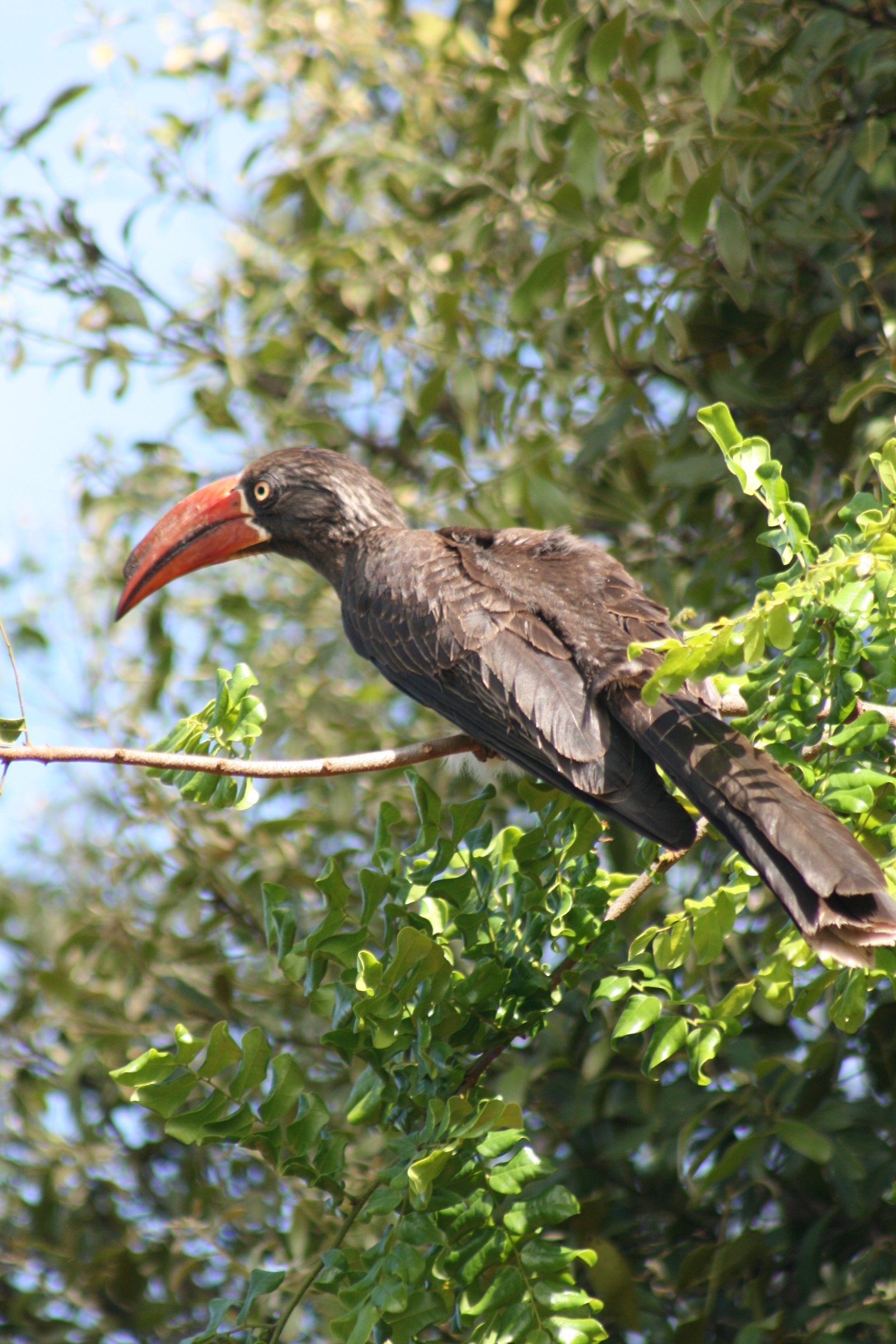
An inquisitive Crowned Hornbill at Bonamanzi

My second trip to Bonamanzi – situated between Lake St Lucia and Hluhluwe – saw me armed with my newly-acquired 4×4, a Hyundai Tucson 2.0 diesel automatic, which I call the Serval, but my wife calls Catalina.

Sadly, Lauren could not get leave to join me on this trip (she is forced to take leave over Christmas when her company is closed, which is most unfair I believe) so I was accompanied by Stidy, the renown cartoonist, my long-time birding mate and the sharer of many dramatic adventures with me.

Stidy was particularly pleased that I now had a 4×4 to ferry him around in, because it allowed me to track down a lifer for him – Lemonbreasted Canary.

Next to the entrance gate at Bonamanzi is a little track heading northwards along the boundary fence, into some pristine Lala Palm Savanna, the perfect habitat for the little canary Stidy was so eager to get … particularly since he had missed the ones I saw several years earlier heading into Crook’s Corner at Pafuri in the Kruger National Park!

But, given the amount of rain that had fallen in Zululand in October and November, this track was something of a quagmire … ideal to test out the capabilities of my new 4×4!

Marico Sunbird was a nice first sighting heading down the track and some Lesser Blackwinged Plover gave us a foretaste of the more exotic treat to come.

And there they were: Half-a-dozen Lemonbreasted Canaries cavorting on the trees hanging over the boundary fence. I allowed Stidy the agony of convincing me that they weren’t just washed out juvenile Yellowfronted Canaries, but there was no denying the greyish backs and the cute little black-and-white face patches.

It was a fortunate sighting because, shortly thereafter, the track disappeared beneath a large, muddy pool. Walking through it, I quickly became mired in the mud and there was no way I was going to risk the Serval ploughing through that and getting stuck on her first real outing!

It seemed harder, more slippery going on the way back … mostly because Borland forgot to engage the 4×4 properly! Sigh … must have been all the excitement of the canaries!

It was only the next day when we discovered we weren’t meant to be on the track at all … the No Entry sign had disappeared at the start, which perhaps explained the perplexed look of the guard at the main gate as we ducked off down the road.

Bonamanzi has a couple of the best camping sites I have ever had the pleasure of staying in and fortunately we were allocated the same one as on my previous visit – beautifully tucked away in the sand forest with your own ablutions and scullery.

That makes birding highly rewarding even when sitting on your camp chair and Yellowbellied Bulbul, Crested Guineafowl and Forest Weaver were all seen close to home.

On the second morning, Redchested Cuckoo obliged us with some lovely views and a Greyheaded Bush Shrike came to visit as well, while we also picked up Bluegrey Flycatcher.

There is a fantastic dam just below the main office block, which is fenced off because of the large Nile Crocodiles that lurk ominously therein. The island in the dam was frantic with three species of weaver nesting – Thickbilled, Lesser Masked and Yellow – and they were predictably attended by Diederick Cuckoo.

We also picked up Blackcrowned Night Heron, Water Dikkop, African Jacana, Black Crake and African Spoonbill. The facilities include a wonderful wooden walkway over a portion of the dam leading to a functions area, where we took shelter from a sudden squall and picked up House Martin and Lesser Striped Swallow.

Once it cleared, we then had our lunch under the Fever Trees, next to the crocodile enclosure. One of them took a liking to me and gradually inched its way closer to the fence and me … it was close enough for me to hear the malevolent hissing of the ancient reptile.

We then went on a good long walk that took in a couple of hides and waterholes, returning back to the main camp through the sand forest, and picked up Natal Robin, Purplecrested Lourie, Woollynecked Stork, Bearded Robin, Purplebanded Sunbird, Wahlberg’s Eagle and Malachite Kingfisher.

Back at camp and after dinner, I tracked down a pair of Wood Owl calling near our camp, enjoying the sense of natural wildness as I then turned off my spotlight and stood under the tree from which they were hu-hu-hooting.

Our last morning was spent driving through the myriad of tracks through the sand forest and some determined birding rewarded us with sightings of Sombre Bulbul, Yellowbreasted Apalis, Southern Boubou, Yellowspotted Nicator, Pale Flycatcher and Greater Honeyguide, all of which had been calling and calling but had evaded being actually seen.

The Nicator was an especially good sighting as he sat on the outer edge of a thick clump of bush, chuckling away beautifully.

Bonamanzi is that kind of place … exotic, beautiful and rapidly becoming a firm favourite of mine.

The other great thing about Bonamanzi is that although there are Vervet Monkey around, they are very well-behaved ones that never bother your campsite!


Sightings list

Nyala

Yellowbellied Bulbul

Blackbacked Puffback

Crowned Hornbill

Crested Guineafowl

Goldenbreasted Bunting

Kurrichane Thrush

Forktailed Drongo

Red Duiker

Terrestrial Bulbul

Yellowbilled Kite

Yellow Weaver

European Swallow

Little Swift

Forest Weaver

Moreau’s Tropical House Gecko

Redchested Cuckoo

Greyheaded Bush Shrike

Blackbellied Starling

Squaretailed Drongo

Bluegrey Flycatcher

Impala

Grey Heron

Thickbilled Weaver

Lesser Masked Weaver

Nile Crocodile

Blackcrowned Night Heron

Diederick Cuckoo

Water Dikkop

Yellowthroated Sparrow

African Jacana

Egyptian Goose

Black Crake

Redeyed Dove

African Spoonbill

Warthog

Hadeda Ibis

African Pied Wagtail

House Martin

Lesser Striped Swallow

Natal Robin

Purplecrested Lourie

Woollynecked Stork

Great White Egret

Whitefaced Duck

Blue Waxbill

European Bee-Eater

Speckled Mousebird

Blackeyed Bulbul

Marico Sunbird

Crowned Plover

Lesser Blackwinged Plover

Blue Wildebeest

Glossy Starling

Lemonbreasted Canary

Common Waxbill

Bearded Robin

Emeraldspotted Wood Dove

Goldentailed Woodpecker

Brownhooded Kingfisher

African Fish Eagle

Purplebanded Sunbird

Greenbacked Camaroptera

Rattling Cisticola

Wahlberg’s Eagle

Malachite Kingfisher

Collared Sunbird

Hamerkop

African Palm Swift

Southern Masked Weaver

Spottedbacked Weaver

Wood Owl

Foam Nest Frog

Sombre Bulbul

Yellowbreasted Apalis

Southern Boubou

Yellowspotted Nicator

Steppe Buzzard

Pale Flycatcher

Greater Honeyguide

Paradise Flycatcher

Amatikulu Nature Reserve 2

Posted on November 21, 2012 by Ken

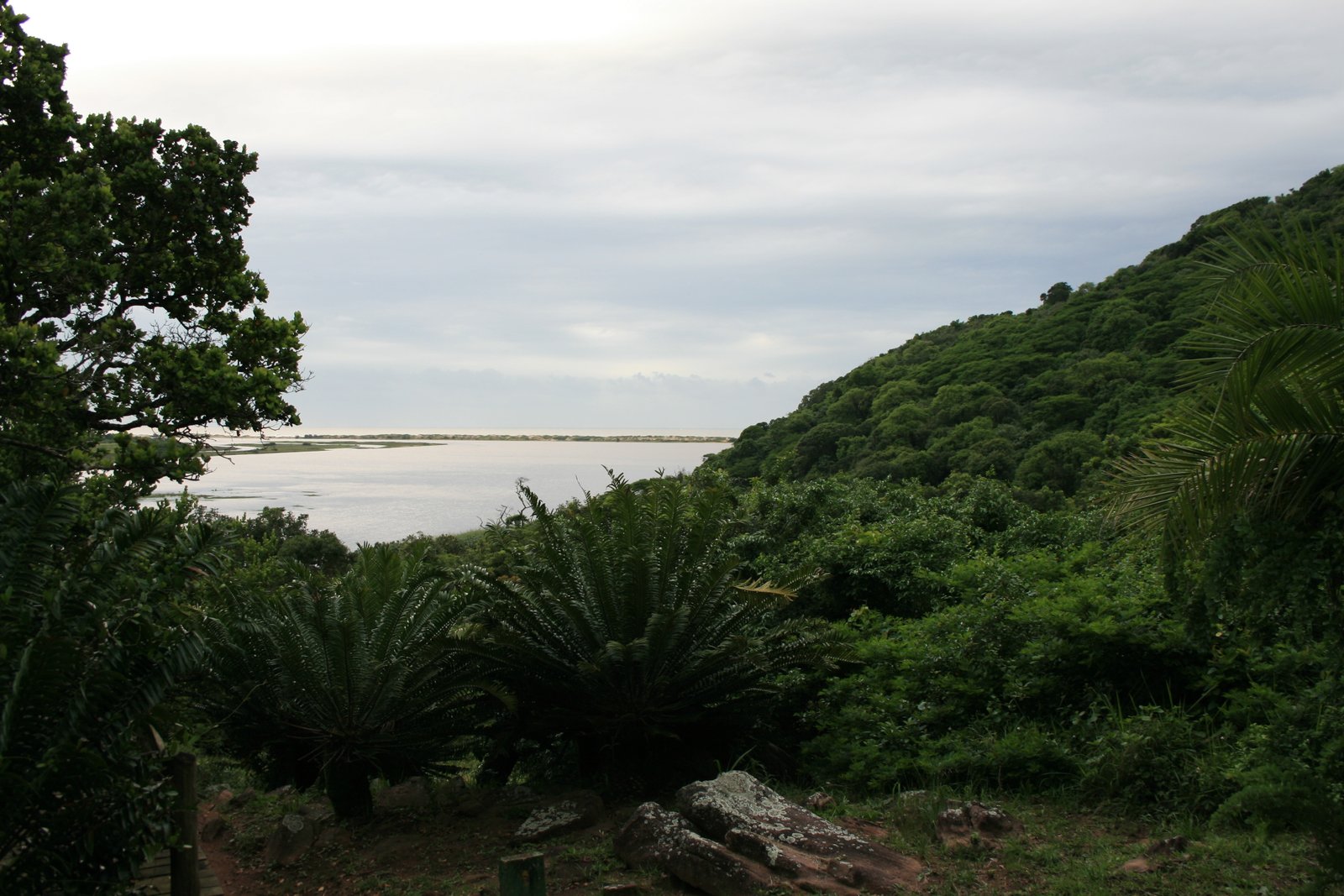
Looking out over the Amatikulu Estuary, its confluence with the Nyoni and beyond that the Indian Ocean, one was struck by an enormous sense of tranquility as we enjoyed the scenery from the tented camp on the hill.

Twelve hours later, that tranquility had been replaced by what felt like a raging hurricane as we tried to pack up camp after our two nights at Amatikulu Nature Reserve. Situated so close to the coast, we were bombarded by squalls that raced up from the south, bringing howling wind and heavy rain.

While the weather had been against us in terms of birding, we still enjoyed a fabulous stay and were most impressed by Amatikulu.

The view from the tented camp, looking out over the Amatikulu Estuary

My first sighting arriving after the long drive from Johannesburg to the reserve, situated about 100km north of Durban and just above the mouth of the Tugela River, was of a Vervet Monkey. Fortunately, Amatikulu is one of the few places that has well-behaved monkeys and they did not trouble our camp at all!

A Wild Plum was the centrepiece of the campsite and in the morning we were greeted by a flock of Blackbellied Starlings foraging in it.

Our first morning consisted of doing the lengthy forest trail over the next hill and down to the estuary. We quickly picked up a Bluegrey Flycatcher and soon we were admiring the idyllic dune forest and that wet smell that came from the rather swampy conditions after all the recent rain. A stream also runs through the forest and we were impressed by a large stand of trees with their roots in the stream, which reminded me of banyan trees in India. (I wish I knew trees better, these had long, straight trunks and big glossy leaves if anyone can help with identification!)

Another notable forest tree was Tabernaemontana ventricosa, the Forest Toad Tree, with its beautiful five-star, helix-shaped, creamy white flowers.

An Eastern Olive Sunbird was chip-chipping away in the higher foliage but we managed to track him down, while Thickbilled Weavers were down on the forest floor even though the breeding season was surely underway.

Down we went through the beautiful forest until we came out on the river bank, from where we walked a few hundred metres to where the Amatikulu reached the Nyoni. Sitting down for a bite to eat, we were joined on a little sandbank by a delightful little Sanderling, as well as Whitefronted Plover and Common Sandpiper.

Towards the other end of the estuary, peeking above a sandbank, we spotted the distinctive heads and bills of a few Whimbrel. As pleased as we were to see them, we decided against wading across to their side because the river looked fairly deep and there are crocodiles about!

This did not deter a couple of locals from their handfishing in the estuary, which just adds to the sense of stepping back into a time when the Natal coast was not just holiday resorts.

Heading back to the picnic site, we picked up White-Eared Barbet and then Squaretailed Drongo, Blackbacked Puffback and Forest Weaver were waiting for us back at camp.

The afternoon, interspersed with showers, was spent doing the 4×4 trail through the hilly coastal grassland with patches of forest and Lala Palms.

It was prime habitat for Croaking Cisticola and he was our first tick on the afternoon drive, quickly followed by Yellowthroated Longclaw. A Longcrested Eagle came zooming over and Yellow Weavers were busy in one of the trees along the route.

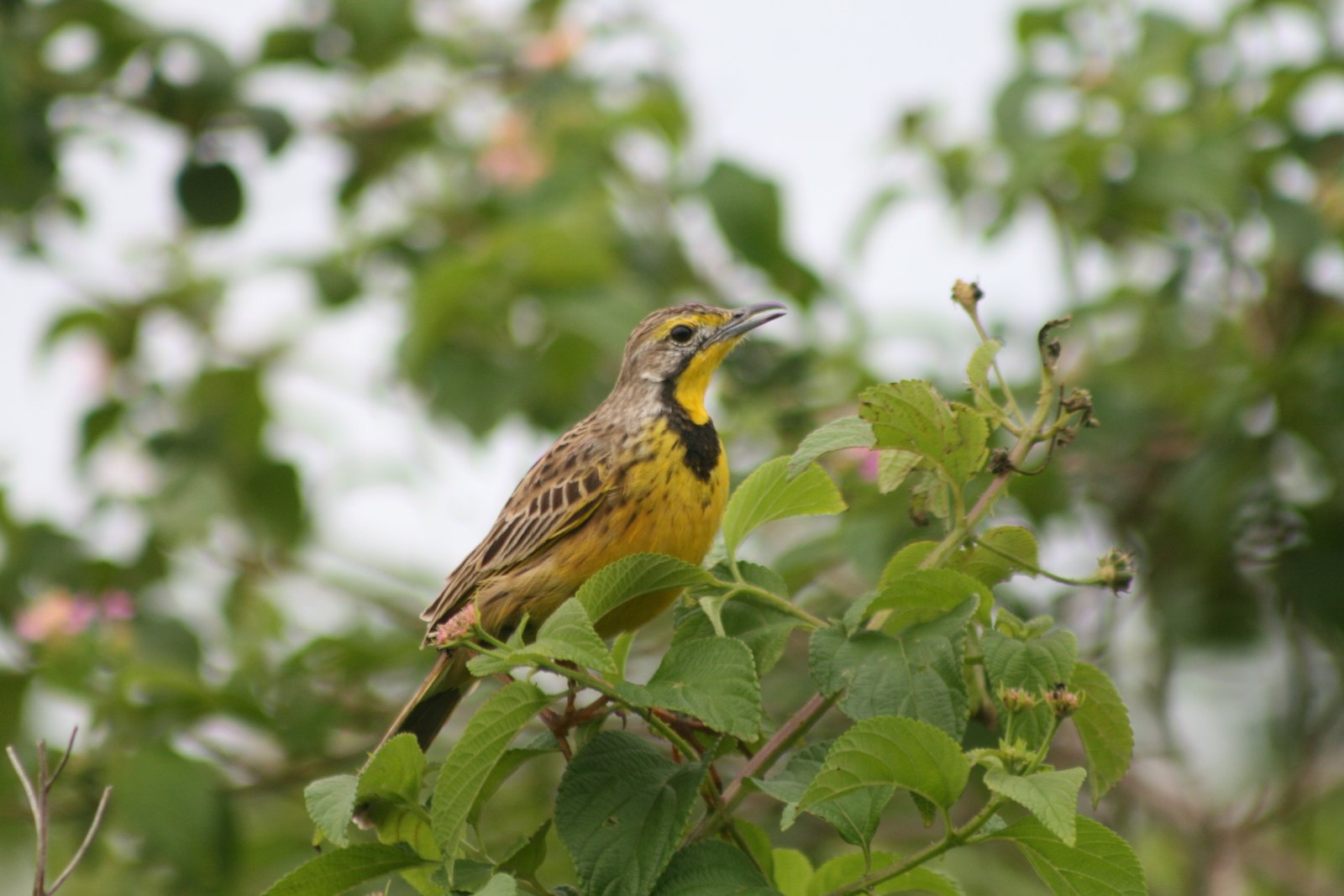
Yellowthroated Longclaw

Spectacled Weaver was also around and, although the swampy area around the Nyoni Pan looked very promising, it didn’t provide anything unusual.

Redbilled Oxpeckers were on a female group of Greater Kudu and we finally tracked down Natal Robin just before sunset.

In between squalls on the final morning, a visit to the ablutions turned up a Pygmy Kingfisher sitting briefly on a branch right by the door.

It was a great way to end a trip which pretty much blew us away in both senses of the phrase!

Sightings list

Vervet Monkey

Plains Zebra

Blackbellied Starling

Bluegrey Flycatcher

Whitefronted Bee-Eater

Blackeyed Bulbul

Redshouldered Widow

Redcollared Widow

Eastern Olive Sunbird

Sombre Bulbul

Thickbilled Weaver

Collared Sunbird

Pied Kingfisher

Egyptian Goose

Reed Cormorant

Great White Egret

Whitebreasted Cormorant

Common Sandpiper

Whitefronted Plover

Sanderling

Whimbrel

Yellowbilled Duck

European Swallow

White-Eared Barbet

African Pied Wagtail

Squaretailed Drongo

Blackbacked Puffback

Forest Weaver

Croaking Cisticola

Yellowthroated Longclaw

Giraffe

Longcrested Eagle

Yellow Weaver

Little Bee-Eater

Spectacled Weaver

Common Moorhen

Grey Heron

African Jacana

Scarletchested Sunbird

Greater Kudu

Redbilled Oxpecker

Redeyed Dove

Natal Robin

Red Duiker

Pygmy Kingfisher

Cape Town, Dhaka, Haryana, Bengal & Kolkata cheering for Knight Riders 0

Posted on May 28, 2012 by Ken


They were cheering all the way from Cape Town to Dhaka, from Haryana to Bengal to Kolkata, as the Knight Riders snatched a thrilling five-wicket victory over the Chennai Super Kings in the Indian Premier League final at the Chidambaram Stadium in Chepauk on Sunday.

 http://www.supersport.com/cricket/indian-premier-league/news/120527/KKR_finally_IPL_champs_with_thriller

Chennai, the two-time defending champions, looked well beaten despite defending 191 as Manvinder Bisla of Haryana, and Jacques Kallis, Cape Town’s finest, added 136 for the second wicket in 13.4 overs.

But with Bisla outfoxed by Albie Morkel for a scintillating 89 off 48 balls, announcing himself as a great talent, and Kallis, laid low by cramps, falling for 69 in the penultimate over, Kolkata needed 16 off seven balls as the Super Kings staged a fantastic fightback.

But Bangladeshi star Shakib al-Hasan, who may well be the new best all-rounder in the world once Kallis retires, scored seven runs off the last ball of the over as Ben Hilfenhaus bowled a no-ball for height and Dhaka’s hero then innovated with a scoop for four off the extra delivery.

Manoj Tiwary, one of the new generation of Indian batting stars, then struck two fours in the final over to clinch victory with two balls to spare and spark massive celebrations in his home state of Bengal.

Chasing such a daunting target, Kolkata seemed to have suffered a mortal blow in the first over when captain Gautam Gambhir missed with a rash swish across the line and was bowled by Hilfenhaus for just two.

But Bisla showed he was equipped to play a match-winning innings on the big stage. Brought in to replace seasoned New Zealand international Brendon McCullum, because Brett Lee had to return to boost the bowling attack after Lakshmipathy Balaji failed to recover from a hamstring injury, he showed enormous self-belief against the Goliaths of the IPL and an international-strength attack.

It was David’s night as everything Bisla tried came off, the 27-year-old hammering eight fours and five sixes. He was helped immeasurably by having the experienced Kallis at his side, the South African showing great skill in placing the ball in the gaps and giving Bisla the strike.

And once Bisla cut a slower-ball bouncer from Morkel to backward point in the 15th over, with 52 runs still needed, Kallis knew he had to step up and take over the aggressor’s role.

Playing superb strokes all over the park, Kallis went to town against the bowling of Dwayne Bravo in particular as he kept the Knight Riders in the game.

Laxmi Ratan Shukla swung straight to deep midwicket to give Bravo the consolation of a wicket, while Yusuf Pathan sliced a slog-sweep off off-spinner Ravichandran Ashwin to fall for just a single.

Hilfenhaus was very happy when he ended Kallis’s 49-ball innings by having him caught by the cover-sweeper in the 19th over, but that soon turned to heartache.

And then Bravo, left to defend nine runs in the final over, did not seem to know whether to bowl short or full and was punished as a result.

Tiwary punched successive boundaries through the leg-side and the IPL trophy was in the box for Kolkata, giving movie star owner Shah Rukh Khan some reward at last.

Hilfenhaus had bowled brilliantly up front to put the Knight Riders under early pressure and finished with225 in his four overs, while Morkel bowled an outstanding spell of two overs, 1-12, in the closing stages to drag Chennai back into the contest.

But the other Super Kings bowlers failed to back up the new-ball pair, with Bravo (3.4-0-49-1) and spinners Shadab Jakati (4-0-38-0) and Ashwin (4-0-41-1) failing to adapt to a flat pitch.

SCINTILATING RAINA

Suresh Raina had earlier blasted the Kolkata Knight Riders bowlers all over the park as he led the Chennai Super Kings to a commanding 190 for three.

On an easy-paced pitch, all the Chennai batsmen looked comfortable with Murali Vijay (42), Mike Hussey (54) and Mahendra Singh Dhoni (14* off 9 balls) all contributing in an exceptional display by the top-order.

Raina’s scintillating 73 off 38 balls merely increased the pressure on the Kolkata bowlers after openers Vijay and Hussey had plundered 86 runs in 10 overs.

Hussey, normally the accumulator, did not sit back on this grand occasion, galloping to his 50 off 38 balls, with four fours and two sixes and some wonderfully clever strokeplay and manipulation of the field.

With Vijay conducting a similarly brutal assault on the bowling, picking up four fours and a six off 32 balls, the runs kept flowing for Chennai as the first wicket put on 87 off just 64 balls.

Vijay fell in the 11th over to a beautifully-judged, diving catch on the square-leg boundary by Shakib, giving medium-pacer Rajat Bhatia his only wicket.

But that brought Raina to the crease and that’s when life really became busy for the stats men.

The chunky left-hander smashed five sixes, four of them over midwicket, and three fours as he added 73 for the second wicket with Hussey off just 41 deliveries and made his highest score in this year’s IPL.

Kallis bowled Hussey in the 18th over, but the inspired Raina batted on until the last ball, which he slog-swept off the bottom of the bat, Brett Lee having to dash in sharply from cow-corner to get the ball in his hands.

The wicket was just reward for left-arm spinner Shakib, who conceded just eight runs in the final over.

Shakib and Bhatia both bowled just three overs, conceding 25 and 23 runs respectively, while the other wicket-taker, Kallis, was also reasonably tidy, conceding 34 runs in his four overs.

But key bowlers Sunil Narine and Lee were less successful with ball in hand, conceding 37 and 42 runs respectively in their four overs.

Mkuze Falls 2

Posted on April 24, 2012 by Ken

In true Borland fashion, a 75km jaunt in search of the reputed home of the Black Coucal turned into a massive two-hour journey on dirt roads!

The info I had suggested Mkuze Falls was a short distance west of the N2 highway, but the truth is the place is damn remote! You actually have to take the road to Ithala and Louwsburg, which is not tar, despite what the maps tell you, and then turn south towards Nongoma on another dirt road, before about 5km of tar brings you to the Mkuze Falls turnoff.

No wonder they have an airstrip and a helipad at the fancy game lodge there – most of their clients will just fly in!

Anyway, it was fun enjoying some new territory and the scenery was great heading into the hills and bushveld of Zululand, making a change from the coastal floodplain I’m more familiar with.

The highlight of the drive there was another Lizard Buzzard, and this one flew across the road, prominently displaying his big white rump.

We talked our way into the lodge, saying we wanted to collect brochures …. the Blue Steed (my VW Polo) looked rather out of place at the ornate front door, covered in dust and spewing forth two almost dustier, dirtier Borlands. (It had been a long day, we’d been to Muzi Pans in the morning). Obviously my shirt also had a hole in it …

But Lauren suggested rich men sometimes dressed down, so we should be okay …

The Mkuze Falls Lodge certainly has a wonderful setting, high on a hill overlooking the falls and river.

On the way out, I mounted the dam wall where we had a drink and a bite to eat. The habitat certainly looked ideal for Black Coucal, but there have to be places that are easier to reach to find him!

On the way back to Bonamanzi, we saw Redbilled Oxpecker on the cattle and two large snakes on the road – the Olive Grass Snake and the Southern African Python.

Sightings list

White Helmetshrike

Blackcollared Barbet

Emeraldspotted Wood Dove

Southern Greyheaded Sparrow

Pintailed Whydah

Blackeyed Bulbul

Crested Francolin

Lizard Buzzard

Laughing Dove

Impala

Blue Wildebeest

Tawnyflanked Prinia

Rattling Cisticola

Pale Flycatcher

Warthog

Goldenbreasted Bunting

Redbilled Oxpecker

Speckled Mousebird

Olive Grass Snake

Southern African Python


  • Recent Posts

  • Archives

  • Thought of the Day

    Revelation 3:15 – “I know your deeds, that you are neither cold nor hot. I wish you were either one or the other.”

    How can you expect blessings without obeying?

    How can you expect the presence of God without spending time quietly before him?

    Be sincere in your commitment to Him; be willing to sacrifice time so that you can grow spiritually; be disciplined in prayer and Bible study; worship God in spirit and truth.

    Have you totally surrendered to God? Have you cheerfully given him everything you are and everything you have?

    If you love Christ, accept the challenges of that love: Placing Christ in the centre of your life means complete surrender to Him.


↑ Top