for quality writing

Ken Borland


October cricket season start knocked to the kerb 0

Posted on May 22, 2020 by Ken

Hopes that domestic cricket would be in full swing by October seem to have been knocked to the kerb by CSA but they are hoping to have international cricket back as early as August.

While it was fortunate that the Covid-19 pandemic only struck South Africa when the cricket season was just about over, the effects look set to ironically have an even greater impact on the 2020/21 domestic campaigns, with Cricket South Africa chief executive Jacques Faul admitting on Thursday that only “half a season” is likely.

“It depends on the government levels of Lockdown and we are hoping to meet with the Minister of Sports, Arts and Culture to make a case for us to start playing cricket again earlier. Our initial plan was to start next season as normal, but that seems unlikely now. Our second plan was to have half a season and that is now more likely, with the Mzansi Super League at the start in November/December.

“There are factors like getting permission for domestic travel and the costs – there will be risk involved in playing domestically and I don’t think we can afford the cost of the bio-bubbles for that, with our broadcast deals not so much focused on domestic cricket. But we can probably start with the Mzansi Super League in November/December, even with restricted capacities in stadiums.

“The good news is we have had a teleconference with India and we are encouraged by their willingness to still play three T20s in August, although maybe a bit later in August. We will play behind closed doors if necessary because the India tour is very important to us. That additional content is worth a significant amount of money for us, there are some very important tours in terms of broadcast deals,” Faul said in a teleconference on Thursday.

The Proteas’ first bit of action could come in early August, however, as that is when CSA and Cricket West Indies are hoping to stage the two Tests and five T20s that were initially scheduled from July 15. But the West Indies have had their tour of England rescheduled for July and that has caused a clash of dates with South Africa.

“It’s time to get cricket going again and we’re trying to find a schedule that works with the West Indies. They should finish in England on July 29, which means we have to shift our dates. India should be coming here at the end of August for three T20s, so the West Indies series will have to be before or after that. Obviously this all depends on government regulations on both sides,” CSA Director of Cricket Graeme Smith said.

“Trinidad is favoured by the West Indies at the moment, but we could play at a neutral venue or even here, nothing is cast in stone. The players are preparing though for coming back to cricket and we believe we can get that done behind closed doors if necessary. We will explore all options – neutral grounds, having more than one team at a time because of the 28 days quarantine at either end.”

Cricket South Africa Chief Medical Officer Dr Shuaib Manjra said their scenario planning for the return to play included studying the measures put in place by intercity football competitions like the La Liga in Spain and the Bundesliga in Germany.

“We’re drawing from the England Cricket Board, Cricket Australia, La Liga and the Bundesliga in terms of best practice and we’re also engaging with SA Rugby and Safa to ensure we’re on a common platform when it comes to returning to play. A bio-bubble or Cordon Sanitaire is at the extreme end of the spectrum, but it would ensure all stadia have strict access protocols.

“The stadia would be sanitized, there would be strict control over who comes in and goes out and regular testing – a couple of days before people go in and again just before. We don’t envisage spectators being allowed and things like saliva on the ball are clearly a no-no, there is the sweat option which is believed not to be able to carry the virus but we don’t have adequate research on that,” Manjra said.
Swys has brushed aside all teething problems & maintained Lions’ high standards 0

Posted on August 28, 2018 by Ken


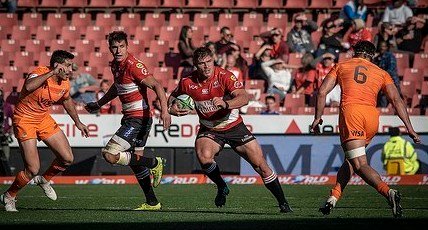
Swys de Bruin endured some teething problems early on in his career as Lions head honcho, but hats off to the well-travelled coach for keeping the faith and his nerve and maintaining the high standards of excellence that have characterised Ellis Park as the team head into their third successive SuperRugby final on Saturday.

Change – especially when it involves losing someone as integral as Johan Ackermann – is often difficult but it is a credit to the smooth systems in place at Ellis Park and De Bruin’s own wisdom and level-headedness that the performance of the Lions in the long run has barely suffered.

It was not as smooth a road to the final this year, which has forced them to make the daunting trip to Christchurch, but reports of the Lions’ demise were greatly exaggerated. Sure, they have had their problems this season, but in a way that makes their achievement all the more impressive because they had to overcome greater challenges to reach the final.

Without their inspirational captain, Warren Whiteley, for most of the season, the Lions also lost their most influential player in Malcolm Marx at a crucial stage of the tournament while Jaco Kriel, a matchwinner, has been ruled out of the entire campaign due to injury. They also had to cope with the departure of integral players like Ruan Ackermann, Faf de Klerk and Akker van der Merwe, while also dealing with the rumours swirling around contracted players wanting to leave and those that did depart mid-season like Rohan Janse van Rensburg.

Apart from still churning out the results against the odds, with so many things mounted against them, the Lions have also still played with flair, which is unsurprising considering how obsessed coach De Bruin is with scoring tries; in a sport which is marred by plenty of cynicism, it is refreshing to have a head coach state so openly, with almost childish naivety, that all he cares about are tries. But that is why most people started playing rugby.

Whatever the result of Saturday’s final, and it would be an upset for the ages if the Lions were to beat the Crusaders in Christchurch, they have done the nation proud. And I don’t agree with the prophets of doom who say it’s now or never for the Lions to win SuperRugby; these are probably the same naysayers who predicted the team would fall off the rails this year already.

The wonderful thing that the culture of success at Ellis Park – and here we must also give the credit to the superb leadership trio of Rudolf Straeuli, Kevin de Klerk and Altmann Allers – has done is to ensure that the Lions are now the team everyone wants to play for. It is the first port of call for the SA Schools star looking to start his professional career.

And the pipeline is working well. Players such as Madosh Tambwe, Marco Jansen van Vuuren, Len Massyn, Hacjivah Dayimani, Gianni Lombard, Jeanluc Cilliers, Wandisile Simelane, Reinhard Nothnagel, Keagan Glade, Asenathi Ntlabakanye, Cristen van Niekerk, Mark Snyman and Yanga Hlalu will be at the vanguard of the Lions’ efforts to remain the undisputed champion franchise in South Africa.

It was not always thus and, as Allers said in his address at the post-match function after the semi-final win over the Waratahs, the last home game of the season, so many of the current Lions stars came to Ellis Park with the reject tags around the neck.

The irony is that so many of those players were shown the door just up the road at Loftus Versfeld, the former SuperRugby champions who used to be the place of choice for young players. The new Bulls coach, John Mitchell, is currently negotiating with the board to fix the mess that has been created there by years of terrible talent identification.

The beneficiaries have been the Lions and so many of the franchise’s stars now carry a new label, the precious tag of being a Springbok.


https://www.pressreader.com/south-africa/the-citizen-gauteng/20180804/282651803301630


Lions expose the Jaguares’ pseudonyms with terrific defence 0

Posted on July 21, 2018 by Ken


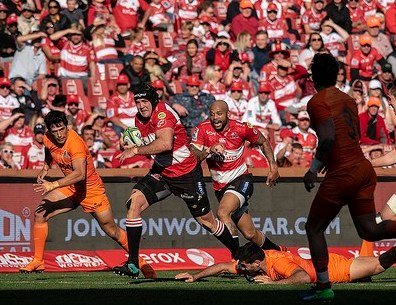
Lions hooker Malcolm Marx on the rampage once again. Photo by Marcel Sigg, runridedive.com

Lions hooker Malcolm Marx on the rampage once again. Photo by Marcel Sigg, runridedive.com

When the ACT Brumbies’ style of play dominated rugby in the early 2000s there were many pseudonyms for what they were doing – structured rugby, expansive rugby, multiphase play, all set up by skilful ball-carriers.

The Jaguares reminded me a bit of that multiphase play at Ellis Park on Saturday afternoon as they valiantly held on to the ball for phase-after-phase. But the game has moved on since the glory days of Gregan, Larkham and Finegan and these days teams trust their defences to hold out for long periods, eventually forcing the error or a one-off runner that is vulnerable to the breakdown steal.

We saw it in the Crusaders’ victory over the Sharks in the other SuperRugby quarterfinal featuring a South African side earlier in the day, and the Lions’ defence was the biggest factor in their 40-23 win over the Jaguares.

As the Jaguares pushed and prodded with more determination, so the Lions just worked harder and with more physicality in defence, simply not allowing the Argentinians to get their game going. Hooker Malcolm Marx led the way with vital turnovers, but Marnus Schoeman also contributed valuably and Kwagga Smith was also a presence at the breakdown.

“Collectively it was a massive effort and you have to give credit for all the turnovers to the guy who makes the tackle as well because he provides the opportunity. A guy like Malcolm is then just impossible to shift, Kwagga made one or two steals as well and Marnus was excellent when he came on. At stages the Jaguares kept the ball for a long time, but we showed good patience on defence,” Lions captain Warren Whiteley said after his team had clinched their third successive SuperRugby semifinal at home.

Run Ride Dive

Captain Warren Whiteley epitomises the Lions defence with this hit on Agustin Creevy. Photo by Marcel Sigg, runridedive.com

The Jaguares are certainly a force to be reckoned with going forward in SuperRugby, as they showed in the third quarter when they came from 9-24 down at the break to close to 23-27.

They were piling on the pressure, but Marx won three turnover penalties and those are the crucial interventions which win knockout games, with coach Swys de Bruin talking afterwards about “great defence at the right times”.

Jaguares coach Mario Ledesma spoke afterwards about how disappointing it was to concede three “soft” tries in the first half, but the Lions are a clever, innovative side on attack, able to try different things and generally pretty clinical.

All three of the tries came from different kicks: An Elton Jantjies crosskick found wing Ruan Combrinck with pinpoint precision for the first try; centre Harold Vorster followed lovely sleight of hand with a clever kick through that became even more effective thanks to the pace of Aphiwe Dyantyi getting there first to hack through and allow Vorster to score after the Jaguares made a mess of the clean-up operation; and a little dink over the top by flyhalf Jantjies was gathered by scrumhalf Gonzalo Bertranou, but his loose pass was immediately intercepted by Marx, who roared away from the 10m line for the try.

The Lions were cruising with a 24-9 halftime lead, but the admirable Jaguares were not done yet though as Bautista Delguy used his quick feet to score a fine try down the right wing two minutes after the break, and seven minutes later the visitors scored again as flank Pablo Matera crashed over. It was not the best grubber kick by the Lions that had given them broken-play possession.

Flank Cyle Brink, after a barnstorming first half, did not come out for the second half due to a shoulder ‘stinger’, but it was not a problem for the Lions as his replacement, Schoeman, played with tremendous industry. He showed terrific tenacity in the build-up to Andries Coetzee’s try as the fullback wriggled through a couple of tackles.

Lions flank Cyle Brink on another storming run. Photo by Marcel Sigg, runridedive.com

Lions flank Cyle Brink on another storming run. Photo by Marcel Sigg, runridedive.com

A typically combative Marnus Schoeman. Photo by Marcel Sigg, runridedive.com

A typically combative Marnus Schoeman. Photo by Marcel Sigg, runridedive.com


Being a knockout game, coach De Bruin had deemed shots at goal acceptable and Jantjies, who produced a polished performance that included a seven-from-seven success rate from the tee, then slotted a sweetly-struck drop goal to take the Lions’ buffer to two converted tries (37-23).

The seventh successful kick at goal by Jantjies was the penalty that completed the scoring with five minutes remaining, confirming that they will host the Waratahs at 3pm next Saturday in the semifinals.

The other huge positive for the Lions was the tremendous dominance of their scrum. The number of set-pieces was relatively low, but whenever the home side needed it, their scrum won them penalties or gave them strong front-foot ball.


Kruger National Park – Malelane & Berg-en-Dal 0

Posted on July 26, 2017 by Ken

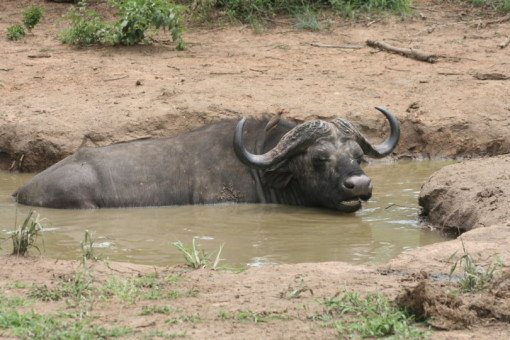
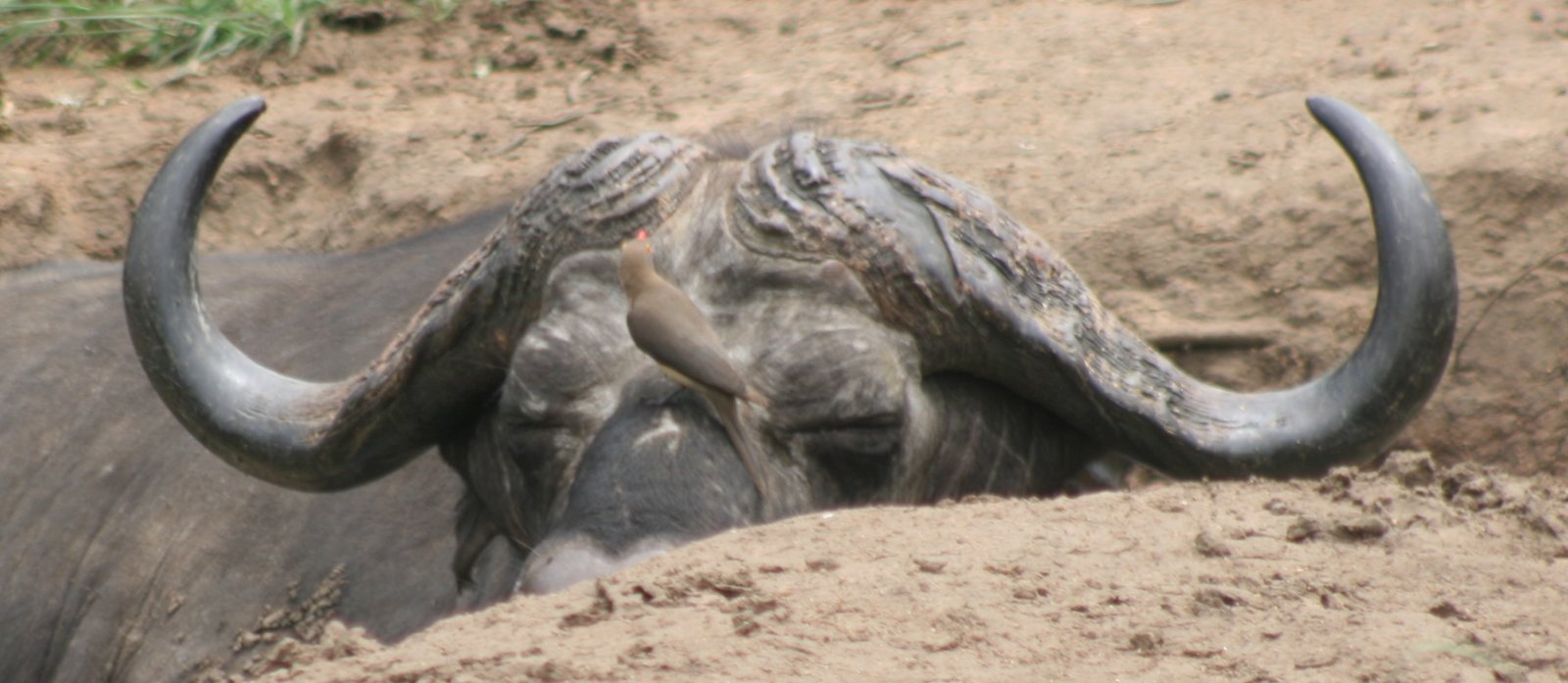
African Buffalo, with Redbilled Oxpeckers, resting up in one of the puddles left by the first rains of summer

African Buffalo, with Redbilled Oxpeckers, resting up in one of the puddles left by the first rains of summer

The drought situation in Kruger National Park in 2016 reached such drastic proportions that it was one of the driest years in recorded history in some areas of the south, but blessed rains eventually fell in early December.

So when I nipped into the park for a morning’s birding on December 5, big puddles of water were still visible from the first rains of the summer. I figured the availability of this surface water would prove attractive to animals and so it proved.

The S114 is the first gravel road on the right after entering through Malelane Gate, and it runs along the Crocodile River before heading northwards towards Skukuza. Shortly before this, close to the S25 turnoff, there were large puddles of water formed next to the road in this area of mixed woodland and thorn thickets on granite, and next to them, half-a-dozen African Wild Dog were lounging around under some bushes.

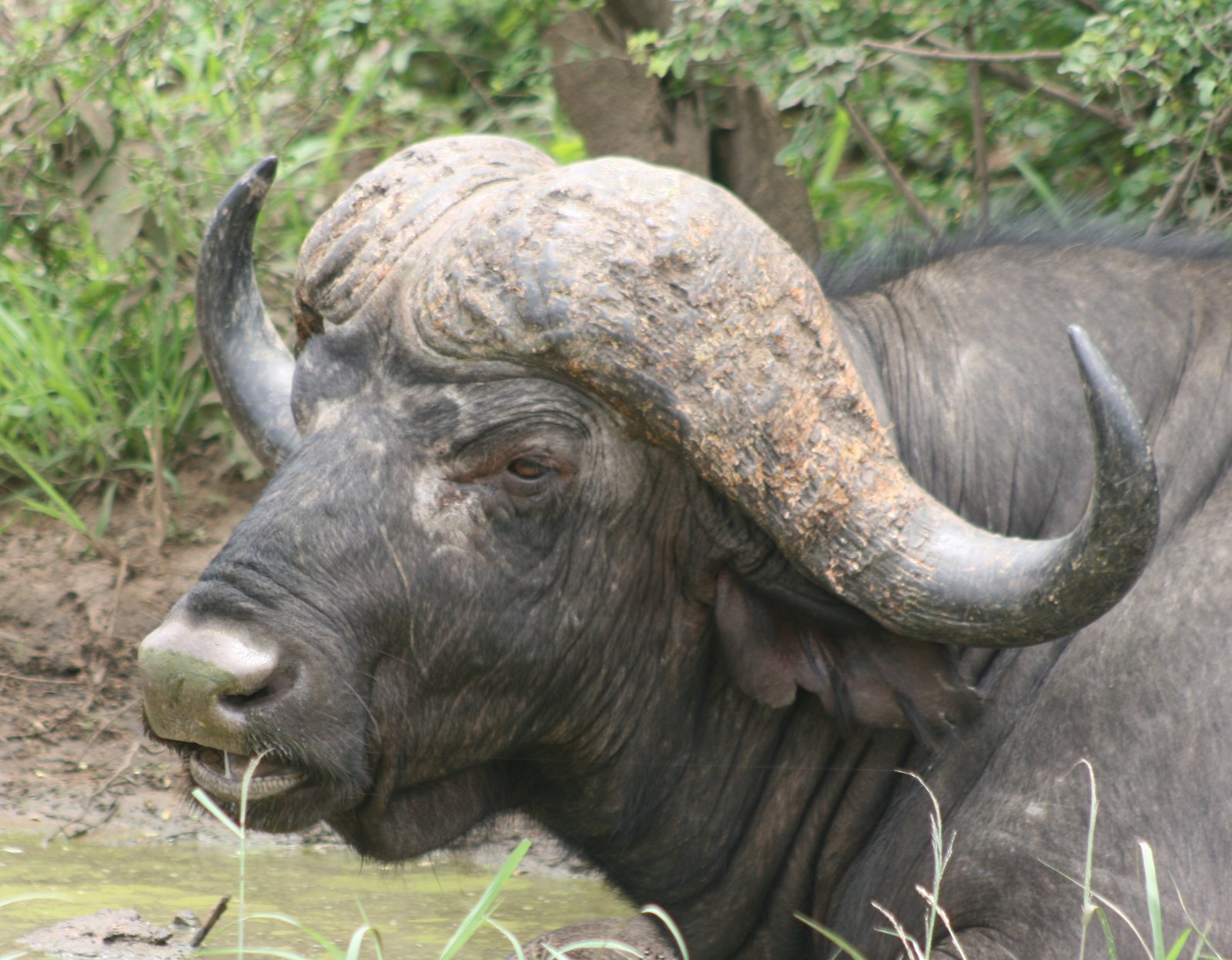
I found two Buffalo lying in a mud-puddle on the side of the road as well and they were clearly not keen to leave, even though I was parked right next to them, clicking away happily on my camera.

Ahhh ... bliss. A Redbilled Oxpecker gives a Buffalo a spa treatment.

Ahhh … bliss. A Redbilled Oxpecker gives a Buffalo a spa treatment.

Sadly, the rains came too late for many animals and, also on the S114 close to the Crocodile River, a Hippopotamus carcass was lying under a tree, in which one of those rather confusing African Fish Eagle juveniles was perched.

A juvenile Fish Eagle, whose hunting skills have not been fully honed, is quite likely to eat carrion, especially in a dry spell when their preferred food is scarce, but whether or not this individual had been gnawing on some Hippo, I have no way of knowing.

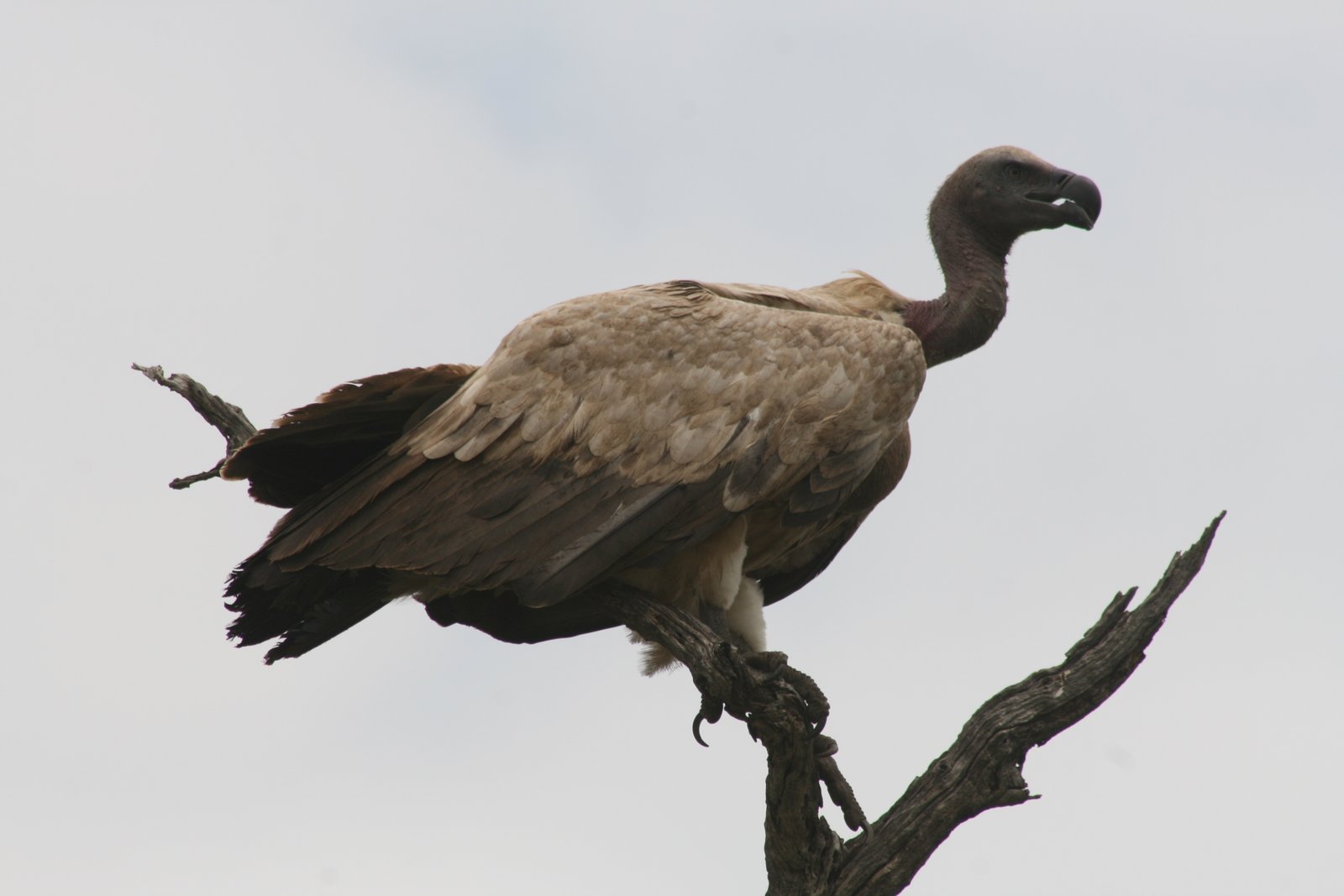
A Whitebacked Vulture was nearby in a tree, another portent of death.

A Whitebacked Vulture with a hoof? in its mouth.

A Whitebacked Vulture with a hoof? in its mouth.

A Hamerkop flew over the H3 tar road as one approaches the bridge over the Crocodile River, in which there was still water, the river being classified as a perennial, with the usual array of birdlife along its course. A solitary African Openbill, a couple of Glossy Ibis, which are considered rare in Kruger Park, only erratic visitors, and Yellowbilled Stork were with all the other common waterbirds, along with Great White Egret and Water Dikkop.

The S110 road turns left from Malelane Gate and heads north-west towards the Berg-en-Dal camp, running between some of the highest hills in Kruger Park, the differences in altitude meaning a great diversity of plants, which attracts a host of birds.

Southern Whitecrowned Shrike were buzzing between the bushes and a few Monotonous Lark were calling in the valley below the slopes of Khandzalive Hill, which is the highest point in the park at 840 metres.

There were a couple of White Rhinoceros with calves, a very pleasing sight, and, close to Berg-en-Dal Dam, a Monotonous Lark was perched on some low branches and scrub and rather scratchily giving its for syrup is sweet call.


IMG_1999[1]

Monotonous Lark

Even the reptiles were out and about, with the impressive Blacklined Plated Lizard crossing the road.


Sightings list

Egyptian Goose

African Openbill

Sacred Ibis

Grey Heron

Cattle Egret

Yellowbilled Stork

Glossy Ibis

Southern Whitecrowned Shrike

African Elephant

Blackeyed Bulbul

Southern Black Flycatcher

Impala

Greater Kudu

Whitewinged Widow

Glossy Starling

African Buffalo

African Buffalo

Wiretailed Swallow

Monotonous Lark

African Buffalo

Redbilled Oxpecker

Forktailed Drongo

Lilacbreasted Roller

Cape Turtle Dove

White Rhinoceros

Little Swift

Brown Snake Eagle

Laughing Dove

Plains Zebra

Sabota Lark

Southern Yellowbilled Hornbill

Spotted Flycatcher

European Bee-Eater

Woodland Kingfisher

Blacklined Plated Lizard

Yellowfronted Canary

Arrowmarked Babbler

Blackcollared Barbet

Plumcoloured Starling

Redbilled Hornbill

Jacobin Cuckoo

Helmeted Guineafowl

African Hoopoe

African Wild Dog

Redbilled Oxpecker on African Buffalo

Redbilled Oxpecker on African Buffalo

Grey Lourie

Longtailed Shrike

Whitebacked Vulture

Giraffe

Grey Hornbill

African Fish Eagle

Hamerkop

Slender Mongoose

Great White Egret

Hadeda Ibis

Blacksmith Plover

Pied Kingfisher

Whitebreasted Cormorant

Water Dikkop


  • Recent Posts

  • Archives

  • Thought of the Day

    Colossians 3:13-14 – “Bear with each other and forgive whatever grievances you may have; forgive as the Lord forgave you. And over all these virtues put on love, which binds them all together.”

    “When the Holy Spirit lives in you, you reflect the qualities of Christ in your life. Love and courtesy are basic characteristics of the Christian life. … If Chris lives in you, you will be kind and patient toward others.

    “A person who is truly courteous is humble, … His attitude is the same regardless of whether he is talking to kings or beggars. He treats everyone alike, no matter what race, colour or creed they are. He rejoices in making the path through life easier for others to travel.

    “It is impossible to say that you love and serve God while at the same time treating your neighbour with contempt and disrespect.” – Solly Ozrovech, A Shelter From The Storm


↑ Top